

Prime C
Supporter
Defender of Dank
- Posts
- 4,285
- Reactions
- 15,734
- Joined
- Dec 9, 2010
- Points
- 263
Worth Repeating: Marijuana Is One of the Best-Studied Medicines In History
By ironman45 | September 27, 2013 | cancer cures, fibromyalgia, MS, Pain relief, rheumatoid arthritis, sleep
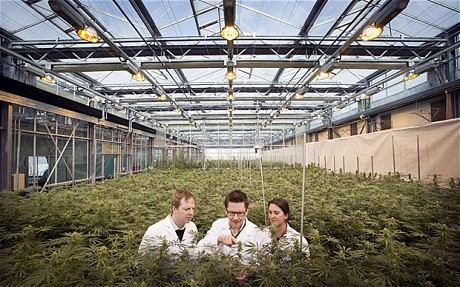
Ben Whalley, middle, with Dr Gary Stephens and Dr Claire Williams of Reading University at a secret cannabis farm in the south of England in the hope of producing a new treatment for epilepsy
[Geoff Pugh/The Telegraph]
Editor’s note: Welcome to Room 420, where your instructor is Mr. Ron Marczyk and your subjects are wellness, disease prevention, self actualization, and chillin’.
An overwhelming amount of very promising research has been gathered supporting the use of medical cannabis for many illnesses and diseases… and the evidence is now impossible to ignore.
Examples:
 “The endogenous cannabinoid system has revealed potential avenues to treat many disease states … Medicinal indications of cannabinoid drugs including compounds that result in enhance endocannabinoid responses (EER) have expanded markedly in recent years.”
“The wide range of indications covers … chemotherapy complications, tumor growth, addiction, pain, multiple sclerosis, glaucoma, inflammation, eating disorders, age-related neurodegenerative disorders, as well as epileptic seizures, traumatic brain injury, cerebral ischemia, and other excitotoxic insults.”
Source: “Cannabinoid drugs and enhancement of endocannabinoid responses: strategies for a wide array of disease states,”Current Molecular Medicine, September 2006
and…
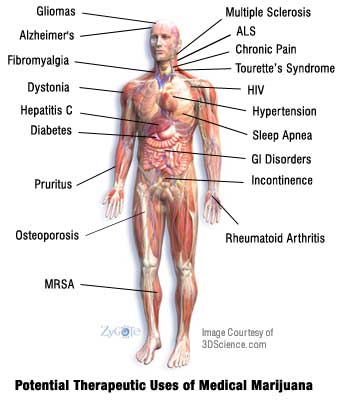
[NORML]
“Research on the chemistry and pharmacology of cannabinoids and endocannabinoids has reached enormous proportions, with approximately 15,000 articles on Cannabis saliva L. and cannabinoids and over 2,000 articles on endocannabinoids”
Source: “Pharmacological and therapeutic secrets of plant and brain (endo) cannabinoids,” Medicinal Research Reviews, March 2009
Contrary to government misinformation, cannabis is one of the best-studied medicines in history.
The U.S. government has known since 2003 that cannabis is a safe, nontoxic, effective medicine that apparently has the ability to treat and cure a multitude of life-threatening diseases and illnesses.
Back in 2003, seeing the future medical reality of cannabis, the U.S. government itself decided to get ahead of the wave of new research and locked up all the rights to this plant with its own patent.
However, I don’t think anybody could have predicted back in 2000 how big the future wave of pro-medical cannabis studies would become, all supporting the same conclusion: Cannabis is a potent therapeutic medicine in a class of its own, and it is the future of medical research.
The biological pathway that links the endocannabinoid system with its CB 1/2 receptors and to the immune system which is positively activated by cannabis is now established medical fact.

The endocannabinoid system can be labeled the health or “homeostatic module”
The newest medical research in the last few years is now providing strong evidence that medical cannabis controls and helps reestablish body and mind homeostasis.
The very word dis-ease is the opposite of homeostasis.
If you are ill or with disease, I hope the following information is of benefit to you and your family. On your road to regaining your health, perhaps this gentle plant may be of service to you.
Please discuss this information with your doctor. This is how we will change the system from within.
Find your voice and advocate for your right to use a medicine proven over the past 12,000 years — and that has never caused a single death from its use. Educate your health team!
Marijuana — it’s not for everybody, but it’s not a crime!
The Empirical Medical Cannabis Tsunami Strikes Again
Let’s have a medical marijuana research update. The particular topics covered by the past few years’ research include:
1. Brain homeostasis
2. Neuroprotection in multiple sclerosis
3. Slowing neurodegenerative disease progression
4. Amyotrophic lateral sclerosis
5. Graft-versus-host disease
6. Bowel inflammation and pain
7. Cannabis and allergic contact dermatitis
Extra credit: Cannabis-Type 2 diabetes, heart disease, and atherosclerosis
1. ‘Therapeutic potential of the endocannabinoid system in the brain’
Source: Mini Reviews in Medicinal Chemistry, July 2005
Highlights: Cannabinoids are responsible for regulating normal brain functioning by producing overall brain homeostasis, which is the main therapeutic effects of THC-CB1, cannabidiol (CBD) CB2 receptor activation.

The THC molecule, enlarged to show detail. In reality it is much smaller than the diameter of the CB1 cannabinoid receptor through which it travels.
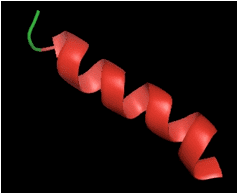
CB1 receptor
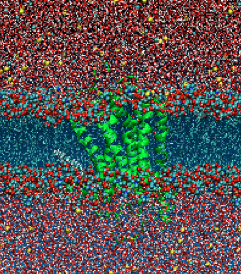
CB1 cannabinoid receptor: the portal in the brain through which THC travels
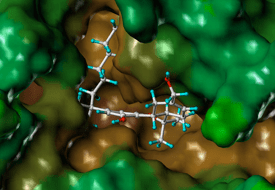
THC traveling within the CB1/2 receptors
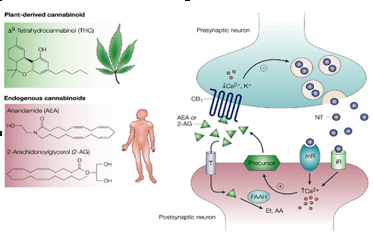
[Nature Reviews]
”Cannabinoids have been predominantly considered as the substances responsible for the psychoactive properties of marijuana and other derivatives of cannabis sativa.”
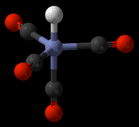
Cannabis ligand
”However, these compounds are now being also considered for their therapeutic potential, since the term ‘cannabinoid’ includes much more compounds than those present in cannabis sativa derivatives.”
“Among them, there are numerous synthetic cannabinoids obtained by modifications from plant-derived cannabinoids, but also from the compounds that behave as endogenous ligands (the docking key that fits in the CB1/2 receptor) for the different cannabinoid receptor subtypes.”
“All this boom of the cannabinoid pharmacology has, therefore, an explanation in the recent discovery and characterization of the endocannabinoid signaling system, which plays a modulatory [homeostatic] role mainly in the brain but also in the periphery.”
“The objective of the present article will be to review, from pharmacological and biochemical points of view, the more recent advances in the study of the endocannabinoid system and their functions in the brain, as well as their alterations in a variety of pathologies … and the proposed therapeutic benefits of novel cannabinoid-related compounds that improve the pharmacokinetic and pharmacodynamic properties of classic cannabinoids.”
By ironman45 | September 27, 2013 | cancer cures, fibromyalgia, MS, Pain relief, rheumatoid arthritis, sleep

Ben Whalley, middle, with Dr Gary Stephens and Dr Claire Williams of Reading University at a secret cannabis farm in the south of England in the hope of producing a new treatment for epilepsy
[Geoff Pugh/The Telegraph]
Editor’s note: Welcome to Room 420, where your instructor is Mr. Ron Marczyk and your subjects are wellness, disease prevention, self actualization, and chillin’.
An overwhelming amount of very promising research has been gathered supporting the use of medical cannabis for many illnesses and diseases… and the evidence is now impossible to ignore.
Examples:
 “The endogenous cannabinoid system has revealed potential avenues to treat many disease states … Medicinal indications of cannabinoid drugs including compounds that result in enhance endocannabinoid responses (EER) have expanded markedly in recent years.”
“The wide range of indications covers … chemotherapy complications, tumor growth, addiction, pain, multiple sclerosis, glaucoma, inflammation, eating disorders, age-related neurodegenerative disorders, as well as epileptic seizures, traumatic brain injury, cerebral ischemia, and other excitotoxic insults.”
Source: “Cannabinoid drugs and enhancement of endocannabinoid responses: strategies for a wide array of disease states,”Current Molecular Medicine, September 2006
and…

[NORML]
“Research on the chemistry and pharmacology of cannabinoids and endocannabinoids has reached enormous proportions, with approximately 15,000 articles on Cannabis saliva L. and cannabinoids and over 2,000 articles on endocannabinoids”
Source: “Pharmacological and therapeutic secrets of plant and brain (endo) cannabinoids,” Medicinal Research Reviews, March 2009
Contrary to government misinformation, cannabis is one of the best-studied medicines in history.
The U.S. government has known since 2003 that cannabis is a safe, nontoxic, effective medicine that apparently has the ability to treat and cure a multitude of life-threatening diseases and illnesses.
Back in 2003, seeing the future medical reality of cannabis, the U.S. government itself decided to get ahead of the wave of new research and locked up all the rights to this plant with its own patent.
However, I don’t think anybody could have predicted back in 2000 how big the future wave of pro-medical cannabis studies would become, all supporting the same conclusion: Cannabis is a potent therapeutic medicine in a class of its own, and it is the future of medical research.
The biological pathway that links the endocannabinoid system with its CB 1/2 receptors and to the immune system which is positively activated by cannabis is now established medical fact.

The endocannabinoid system can be labeled the health or “homeostatic module”
The newest medical research in the last few years is now providing strong evidence that medical cannabis controls and helps reestablish body and mind homeostasis.
The very word dis-ease is the opposite of homeostasis.
If you are ill or with disease, I hope the following information is of benefit to you and your family. On your road to regaining your health, perhaps this gentle plant may be of service to you.
Please discuss this information with your doctor. This is how we will change the system from within.
Find your voice and advocate for your right to use a medicine proven over the past 12,000 years — and that has never caused a single death from its use. Educate your health team!
Marijuana — it’s not for everybody, but it’s not a crime!
The Empirical Medical Cannabis Tsunami Strikes Again
Let’s have a medical marijuana research update. The particular topics covered by the past few years’ research include:
1. Brain homeostasis
2. Neuroprotection in multiple sclerosis
3. Slowing neurodegenerative disease progression
4. Amyotrophic lateral sclerosis
5. Graft-versus-host disease
6. Bowel inflammation and pain
7. Cannabis and allergic contact dermatitis
Extra credit: Cannabis-Type 2 diabetes, heart disease, and atherosclerosis
1. ‘Therapeutic potential of the endocannabinoid system in the brain’
Source: Mini Reviews in Medicinal Chemistry, July 2005
Highlights: Cannabinoids are responsible for regulating normal brain functioning by producing overall brain homeostasis, which is the main therapeutic effects of THC-CB1, cannabidiol (CBD) CB2 receptor activation.

The THC molecule, enlarged to show detail. In reality it is much smaller than the diameter of the CB1 cannabinoid receptor through which it travels.

CB1 receptor

CB1 cannabinoid receptor: the portal in the brain through which THC travels

THC traveling within the CB1/2 receptors

[Nature Reviews]
”Cannabinoids have been predominantly considered as the substances responsible for the psychoactive properties of marijuana and other derivatives of cannabis sativa.”

Cannabis ligand
”However, these compounds are now being also considered for their therapeutic potential, since the term ‘cannabinoid’ includes much more compounds than those present in cannabis sativa derivatives.”
“Among them, there are numerous synthetic cannabinoids obtained by modifications from plant-derived cannabinoids, but also from the compounds that behave as endogenous ligands (the docking key that fits in the CB1/2 receptor) for the different cannabinoid receptor subtypes.”
“All this boom of the cannabinoid pharmacology has, therefore, an explanation in the recent discovery and characterization of the endocannabinoid signaling system, which plays a modulatory [homeostatic] role mainly in the brain but also in the periphery.”
“The objective of the present article will be to review, from pharmacological and biochemical points of view, the more recent advances in the study of the endocannabinoid system and their functions in the brain, as well as their alterations in a variety of pathologies … and the proposed therapeutic benefits of novel cannabinoid-related compounds that improve the pharmacokinetic and pharmacodynamic properties of classic cannabinoids.”


