Log In Register

Best micron size for BHO

  • Thread starter Thread starter gumby420
  • Start date Start date
  • Tagged users Tagged users None

Best micron size for BHO

gumby420 50 Replies 102,731 Views
Page 2 of 3 · Replies 21–40 of 51
Sometimes folks confuse thread count with opening size. The more threads per inch, the less space between them, so the smaller the micron size, unless the threads are made smaller to compensate.

Non woven filters don't have thread count, so typically just go by the size of their pores in microns, which is 3.9 X-5, or .000039 inches per micron. The lower the number, the smaller its pores,
 
People are confusing the term 'mesh' and 'micron'.

When ever you hear a screen is '100 mesh' it means the number of openings in a specific area. In this measurement, the higher the number, the stronger the filter, as 'more' openings fit in a smaller area because they are smaller openings.

Micron is the size of the opening. The smaller it is, the more selective the filter.

50 micron screens are smaller than 120 micron.

50 mesh screens are larger than 120 mesh.
 
People are confusing the term 'mesh' and 'micron'.

When ever you hear a screen is '100 mesh' it means the number of openings in a specific area. In this measurement, the higher the number, the stronger the filter, as 'more' openings fit in a smaller area because they are smaller openings.

Micron is the size of the opening. The smaller it is, the more selective the filter.

50 micron screens are smaller than 120 micron.

50 mesh screens are larger than 120 mesh.
Yes thanks,I 2as trying to determine what a 10x,20x,12x marked pieces of silk,what micron these would turn out to be . I believe that the 10x is 90 to 110 microns and so on. But thanks,the hash is bloody fantastic though ,so all is well.peace
 
So ive done a few runs all with heat purging. I finally got my vacuum chamber and pump so im ready to start making some good product. the last few runs i just used coffee filters. my newest blasting tube came with a stainless steel 50 micron screen, i also have a 120 micron silk screen. What micron do you find best for making bho? Thanks

I have never open blasted but have done over a thousand extractions in a closed loop setup and I can tell you that somewhere between 10 microns and 25 microns is the definite sweet spot. 10 microns can clog up on me even in a closed loop setup whereas the 25 micron seems to filter out a good percentage of plant material without clogging.

https://utahbiodieselsupply.com/stainlessmesh.php

This place after a quick google search sells a sheet of 12"x 12" 316 stainless steel mesh (commonly classified as Food Grade) that could be cut to probably 4 filters for your purposes and reusable until you really kink one on accident cleaning it.
 
I have never open blasted but have done over a thousand extractions in a closed loop setup and I can tell you that somewhere between 10 microns and 25 microns is the definite sweet spot. 10 microns can clog up on me even in a closed loop setup whereas the 25 micron seems to filter out a good percentage of plant material without clogging.

https://utahbiodieselsupply.com/stainlessmesh.php

This place after a quick google search sells a sheet of 12"x 12" 316 stainless steel mesh (commonly classified as Food Grade) that could be cut to probably 4 filters for your purposes and reusable until you really kink one on accident cleaning it.
Thanks brother in green...peace
 
Thanks brother in green...peace
I figured out the silk I am using is about 100 microns and that does a excellent job with dry ice at making 40 to 50% melt hashish from the keif produced,I just roll it up in plastic bags using the heat of compression alone to meld the product nicely into perfect 30 gram rolls of light Sandy with traces of purple trichomes from the Purple Trainwreck buds along with the 5 other varieties I used to make this frankly killer hashish. People love it. Reminds one of the old blonde Lebanese hashish from the late 70s but three times stronger lol
 
I have never open blasted but have done over a thousand extractions in a closed loop setup and I can tell you that somewhere between 10 microns and 25 microns is the definite sweet spot. 10 microns can clog up on me even in a closed loop setup whereas the 25 micron seems to filter out a good percentage of plant material without clogging.

https://utahbiodieselsupply.com/stainlessmesh.php

This place after a quick google search sells a sheet of 12"x 12" 316 stainless steel mesh (commonly classified as Food Grade) that could be cut to probably 4 filters for your purposes and reusable until you really kink one on accident cleaning it.

Hi totally new here and new to all of this. have everything i need gathered except my filter for my extraction. Can't decide whether to use micron screen or coffee filter or a combo of both??? the screens on amazon are too expensive b/c of namebrands and i couldn't figure out how to find the "316 stainless steel mesh" you referred on the site you linked to....I'm sure this is the wrong way to ask this but any direction to where to start...(obviously I've read for hours and watched countless YouTube vids on repeat) in this forum to get that kind of information thanks for any help you can give
 
Could I use two unbleached coffee filters and cheese cloth on the outside of that?

Yes! I've used 200 thread count bed sheet material over the coffee filters.

I actually had more filters blow off the end intact, that I had fail, even without the silk screen. I only blew one filter apart before adding the silkscreen, and blew several off the ends of tubes because I didn't fasten them adequately and back in the hoary olden days of yore we were first experimenting with straight metal tubes, without flares on the end.
 
Last edited:
Hi totally new here and new to all of this. have everything i need gathered except my filter for my extraction. Can't decide whether to use micron screen or coffee filter or a combo of both??? the screens on amazon are too expensive b/c of namebrands and i couldn't figure out how to find the "316 stainless steel mesh" you referred on the site you linked to....I'm sure this is the wrong way to ask this but any direction to where to start...(obviously I've read for hours and watched countless YouTube vids on repeat) in this forum to get that kind of information thanks for any help you can give
We bought our stainless bolting cloth here: http://www.howardwire.com/stainless_steel_cloth.html
 
I am totally into this rosin deal,I can take my keif put it in a 12 ton heated press for 25-40seconds at 95 degrees and have shatter basically with out solvents,co2 or anything but heat and intense pressure. I love this industry, people always thinking.
 
We bought our stainless bolting cloth here: http://www.howardwire.com/stainless_steel_cloth.html
What is the equivalent in mesh to microns? I'm just starting to understand microns and so far 50 micron has worked well. The last run I did, I packed coffee filter (next time will use steel wool) in the tapered in to disperse the Tane spray evenly and stuffed coffee filter in the wide end to create a tight pack to that the liquid was forced to trickle down. Worked like a charm except it was on my third blast of .5oz and didn't yield much. Well...will have to wait until payday in two weeks to try again.
 
I am totally into this rosin deal,I can take my keif put it in a 12 ton heated press for 25-40seconds at 95 degrees and have shatter basically with out solvents,co2 or anything but heat and intense pressure. I love this industry, people always thinking.

Love rosin tech. My arbor press just arrived today and my custom cut steel plates arriving this week. Super cheap and simple setup here:
 
Yes! I've used 200 thread count bed sheet material over the coffee filters.

I actually had more filters blow off the end intact, that I had fail, even without the silk screen. I only blew one filter apart before adding the silkscreen, and blew several off the ends of tubes because I didn't fasten them adequately and back in the hoary olden days of yore we were first experimenting with straight metal tubes, without flares on the end.

With the hose clamps and rounded lip at the end of the tubes I don't see that being a problem unless I was using only coffee filter. I'm going to try two or three more runs to determine if this is all worth it or may just stick with my rosin tech (new press being build this week) and buy it occasionally. Probably will get a cheap vac pump and chamber too because I like going all out. 3CFM single stage and 1.5 gallon chamber should be plenty right?
 
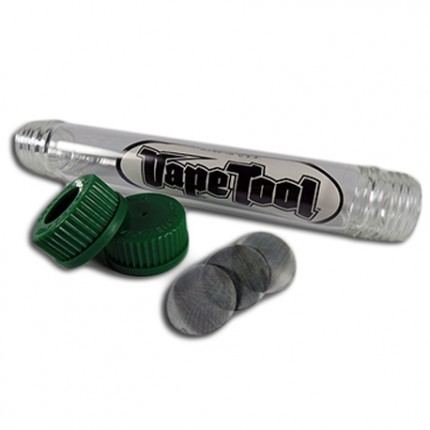
I use these tubes with end caps...very nice and easy.
1415791433_cap-filter-med-good1.jpg


They come with mess screen and I use a poly screen sandwiched in between . no material gets through. I found the coffee filter less effective than the poly filter.
 
Once for the record... Since this post was so dang confusing...
What Is a Micron Rating?
The average size of the openings between pieces of the filter media are represented in microns. For example, a 20-micron filter has larger openings than a 5-micron filter. Consequently, the 20-micron filter element will let larger particles pass through the filter than the 5-micron media would.

- See more at: http://www.inspiredliving.com/cuzn-water-filtration/micro-rating.htm#sthash.LuX62Pw5.dpuf
 
Quantative filter papers are pretty cool..grade 42 is like 2.5 microns. We've used 11 micron ones as well. With the dewaxing sleeve, waxes will be caked all over the filter paper. You just need a filter plate to be sure there is no screen to get blown out of a gasket.
 
Actually the higher the count the smaller the opening, hence 120 is smaller than 70 and 220 smaller tan 110 . That's the way it works. When in doubt do some reference Wikipedia and there are also charts available on line or at your local fabric store or art supply place.

Can you provide a link to what you are saying?
Because it goes against logic and this picture that is very common.

1 Micron (micrometer) = 1 millionth of a meter, thus the smaller the number the smaller the hole.
 

Attachments

  • Size comparison in microns.jpg
    Size comparison in microns.jpg
    59.3 KB · Views: 5,591
this is what ive been doing. putting the 50 micron metal screen on and then putting 120 silk screen over it. so far its worked out well
That works because the silk screen is strong enough all by itself. When using a paper filter, the screen would go on the outside and the paper filters on the inside.

Having the coarser filter against the material, does reduce the filter load on the silkscreen and slow down blinding.
 
Can you provide a link to what you are saying?
Because it goes against logic and this picture that is very common.

1 Micron (micrometer) = 1 millionth of a meter, thus the smaller the number the smaller the hole.
Here is a link where the issue of mesh vis a vis thread size, count, and micron opening is discussed, along with charts.
https://skunkpharmresearch.com/diy-sieving-frames/
 
Page 2 of 3 · Replies 21–40 of 51
Back
Top Bottom