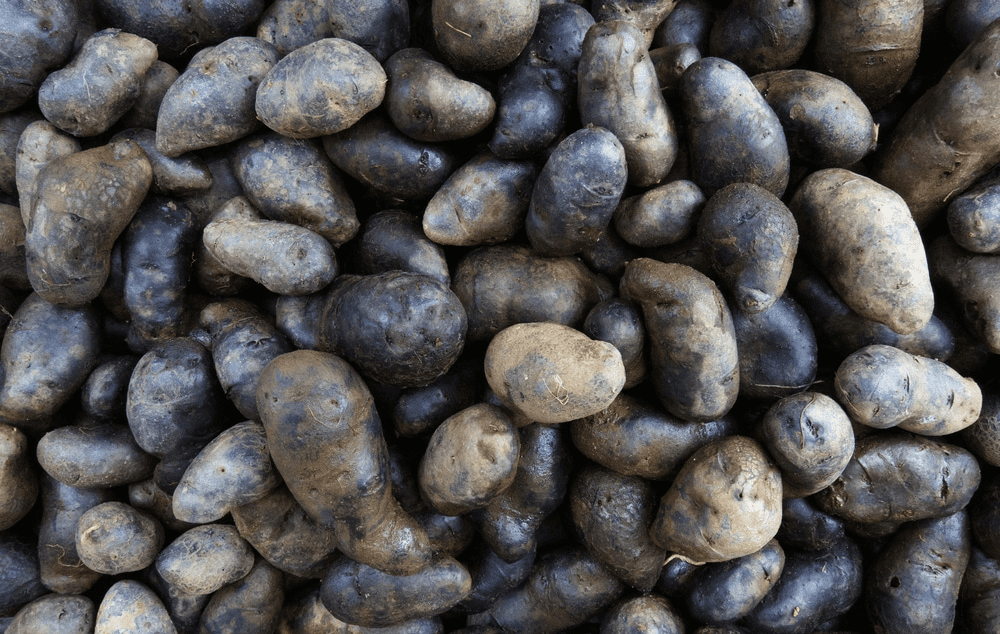
The Phytoplasma, also causes the potatoes, to turn black.
Seems like for the 2 different species of plants-Potato-Alfalfa, it turns alfalfa yellow, and Potato Leaves, mottled Purple, and the actual potato, black.
So, its seems the phytoplasma, affects different plants, in different ways. IE, color differentiation. Even though its the same Phytoplasma.
But, it seems in most cases, in all other plants mentioned, it is spread by mostly leafhoppers. THEY are the one main thing that always is mentioned.
Another bad thing is, there are more than 22,000 different species, of Leafhoppers. One of the most diverse insect species rich, plant sucking/eating bastards known.
They are a Cicadellidae species.
Ive also read, that the phytoplasma, can overwinter, in Elm Trees, for one. Then when the insects come in contact, the get infected, and spread it. And it takes time, for plants to show symptoms.
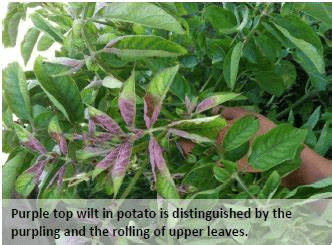
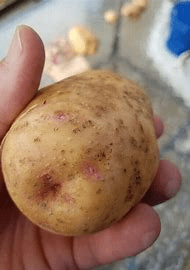
Below are purple leaves, on a potato, and a black/purple potato itself. Kind of goes along with
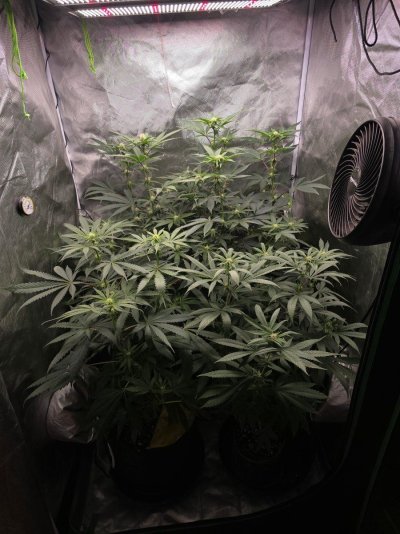
Weed leaves turn purple black, and the buds end up black/stunted.
Though, this purple is a different shade vs what Ive seen on weed, the different shades, may be plant specific. Just like the Purple Top affects alfalfa by making it yellow, and potatoes, a shade of purple, plus, it turns the potato, black. The potato, will start out light purple, often in spots, and progress, to black/purple.
Purple top disease In North America, this pest is known to cause potato haywire disease and is classified as an A1 quarantine pest by EPPO (OEPP/EPPO 1984) [25]. With the exception of the first one, all of these pests are categorized under the 'aster yellows' group, characterized by symptoms such as yellow or purple leaf discoloration. Typically, they are not transmitted through tubers. Leafhopper vectors responsible for their transmission include Macrosteles and Hyalesthes spp. In Europe, numerous phytoplasmas of the aster yellows type are found, infecting various hosts. However, only the potato stolbur phytoplasma is detected in potatoes, and it is generally recognized as a distinct phytoplasma strain. In Australia, several Asian countries, and the USA, the tomato
big bud phytoplasma causes a disease that closely resembles stolbur. Additionally, three phytoplasmas in India are identified as belonging to the Old World aster yellows type and are differentiated from the potato stolbur phytoplasma. Potato purple-top wilt phytoplasma shares a close relationship with the aster yellows phytoplasma complex, which exhibits a broad spectrum of hosts. It can infect approximately 350 species spanning at least 54 plant families. Apical leaves exhibit symptoms of pinching, curling, and the development of yellowish-purple pigments. This leads to a loss of apical dominance in infected plants, causing a proliferation of axillary buds. The affected plants may prematurely wilt and die, often producing hair sprouts. According to Conners (1967), the main symptom is the occurrence of purple-top wilt, with the haywire stage attributed to secondary infections. In its natural habitat, potato purple-top wilt phytoplasma may spread through its leafhopper vectors. On a global scale, there is potential for it to be transported via potato plants or the insect vectors that are linked to them, although such transmission is rare in real-world scenarios. Conclusion ZC disease has now established itself in multiple potato-producing regions worldwide. The suspected causative agent, CLso, has the potential to infect other economically significant Solanaceae crops, posing an even greater threat to the agricultural industry. Integrated pest management (IPM) strategies, including chemical, cultural, and biological controls, have been put into action to manage the psyllid vector population and curtail the spread of ZC disease. However, a need for long-term solutions remains evident. Recent advancements in potato genetic resources and crop improvement technologies offer promising opportunities for developing new potato cultivars with innate resistance to the psyllid and/or CLso.


 I know in the soil it's good.