Log In Register

The New Spot.chat Shit,show Ya Pics.

  • Thread starter Thread starter keiksweat
  • Start date Start date
  • Tagged users Tagged users None

The New Spot.chat Shit,show Ya Pics.

keiksweat 15,144 Replies 1,250,802 Views
Page 348 of 758 · Replies 6,941–6,960 of 15,145
how's yo

she'll really take off now.dry out pretty fast,so check em daily bro.gonna be a monster for sure....
Thanks brother
Hell yeah nice man. Soon You'll probally have to lolipop but looks like shes getting close to bud time
Yeah awesone ill update you guys thanks
I'm afraid so bro that patch will get bigger and the bigger it gets the quicker it will get bigger if left it will rip through your room like a rapist in a brothel
Lol ima have to use your guys quotes hella funny
Damn looks like im going to have to go after her like a refugee in germany
lol lol duuuuude hahaha so funny
 
Has anyone heard of splitting the stem to create more trichomes before harvest? Like so i just read this and have a few pics i seen online as examples. Wont do this to my only big one cause im paranoid. Until i know i at least i can do it well without it doing more harm than good. Ill try it on my duplicate do si do or super skunks. Btw heres my other garden/tent whatever. Theres another super skunk in the smaller cups but i transplanted one of them about 2 weeks ago and shes the one in the middle, super dark leaves, i put mostly soil in that pot but im going to do the rest coco. Maybe one of my do si dos ill do soil 2 just to see taste difference.
yeah pal,old farmers trick,not a nail in the stem.not sure how it works,but the stress seems to kick it ino overdrive,apparently..you gonna go for it???lol.id be too scared to risk one of my big plants.
 
So is this root rot, bud rot, nute burn, or because it didnt get much if any light for the most of 2 months. Its only on the inside under where leaves were blocking light but idk this is another first for me. Its the only plant thats doing it. Its the fake gsc the tops are good just on the inside in one quadrant
that's weird...id cut me losses n hack her down Buda...
 
yeah pal,old farmers trick,not a nail in the stem.not sure how it works,but the stress seems to kick it ino overdrive,apparently..you gonna go for it???lol.id be too scared to risk one of my big plants.
yo thanks i was just bout to come back here and ask why no one responded about that or if anyone had seen it lol yeah one of the smaller ones. Not my big one yet lol i gotta throw her in bloom but i want clones so i gotta get powder or gel first. Then ill lollipop her and take my cuts to clone.
 
Probably end up flowering one of her clones quick short veg and try it. Just to see how this strain responds cause u never know im still learning this forbidden fruit. Has anyone here ever grown this strain cause the guy i got it from acted real strange told me to never reveal his info cause hes not supposed to have it? Something like the breeder he got it from wanted 200 a cut i was like wtf? Lol hes not supposed to have it apparently he told me if anyone asks I got it from someone up from northern cali 50 bucks a cut. Trying to find journals on it but to no avail. But i trust this guys genetics theyre really good plants
 
Yeah i have thought of it but never get around to making em with the strings so i just tie em up as i go lol
have you had any recent changes, eg, have you been over drying your pots, have they picked up a warm spell, been over damp and cold? This rot usually gets going when there is an excess of food and then a drop in dissolved oxygen. The spores themselves are literally everywhere buddy. it is commonly grouped as Sclerotinia sclerotiorum.
From wiki
S. sclerotiorum is capable of completely invading a plant host, colonizing nearly all of the plant’s tissues with mycelium. Optimal temperatures for growth range from 15 to 21 degrees Celsius. Under wet conditions, S. sclerotiorum will produce an abundance of mycelium and sclerotia. The fungus can survive in the soil mainly on the previous year’s plant debris. Like most fungi, S. sclerotiorum prefers darker, shadier conditions as opposed to direct exposure to sunlight.
 
more
Sclerotinia sclerotiorum is a plant pathogenic fungus and can cause a disease called white mold if conditions are correct. S. sclerotiorum can also be known as cottony rot, watery soft rot, stem rot, drop, crown rot and blossom blight. A key characteristic of this pathogen is its ability to produce black resting structures known as sclerotia and white fuzzy growths of mycelium on the plant it infects. These sclerotia give rise to a fruiting body in the spring that produces spores in a sac which is why fungi in this class are called sac fungi (Ascomycetes). This pathogen can occur on many continents and has a wide host range of plants. When S. sclerotiorum is onset in the field by favorable environmental conditions, losses can be great and control measures should be considered
Common hosts of white mold are herbaceous, succulent plants, particularly flowers and vegetables. It can also affect woody ornamentals occasionally, usually on juvenile tissue. White mold can affect their hosts at any stage of growth, including seedlings, mature plants, and harvested products. It can usually be found on tissues with high water content and in close proximity to the soil. One of the first symptoms noticed is an obvious area of white, fluffy mycelial growth. Usually this is preceded by pale to dark brown lesions on the stem at the soil line. The mycelium then cover this necrotic area. Once the xylem is affected, other symptoms occur higher up in the plant. These can include chlorosis, wilting, leaf drop, and death quickly follows. On fruits, the initial dark lesions occur on the tissue that comes in contact with the soil. Next, white fungal mycelium covers the fruit and it decays. This can occur when the fruit is in the field or when in storage.[1]
 
Bio Media Pro and K+AMINO both contain naturally occurring bio control for this plant pathogen.
Using strains of Trichoderma, Pro Biotic Yeast Fungus, and multiple bacteria such as C. minitans, pseudomonas fluorescens, bacillus subtilus etc as well as aspergillus, Penicillium fungus among others
 
have you had any recent changes, eg, have you been over drying your pots, have they picked up a warm spell, been over damp and cold? This rot usually gets going when there is an excess of food and then a drop in dissolved oxygen. The spores themselves are literally everywhere buddy. it is commonly grouped as Sclerotinia sclerotiorum.
From wiki
S. sclerotiorum is capable of completely invading a plant host, colonizing nearly all of the plant’s tissues with mycelium. Optimal temperatures for growth range from 15 to 21 degrees Celsius. Under wet conditions, S. sclerotiorum will produce an abundance of mycelium and sclerotia. The fungus can survive in the soil mainly on the previous year’s plant debris. Like most fungi, S. sclerotiorum prefers darker, shadier conditions as opposed to direct exposure to sunlight.
Yeah it did get a cold snap a while ago in which i stared using another heater and then it did dry up and fall down about 3 weeks ago. The top leaves were completely blocking the light out. It warmed up the past cpl days but only to 74 in the room. Rh has been low around 34-40
 
Bio Media Pro and K+AMINO both contain naturally occurring bio control for this plant pathogen.
Using strains of Trichoderma, Pro Biotic Yeast Fungus, and multiple bacteria such as C. minitans, pseudomonas fluorescens, bacillus subtilus etc as well as aspergillus, Penicillium fungus among others
Really gunna have to give this organics a hard looking into. This gsc has been troublesome since i got her. So do you think it can be contained after going after her like freddy krueger. Maybe an alcohol spray for the whole room and a sulfer burn afterwards til i can bleach?
 
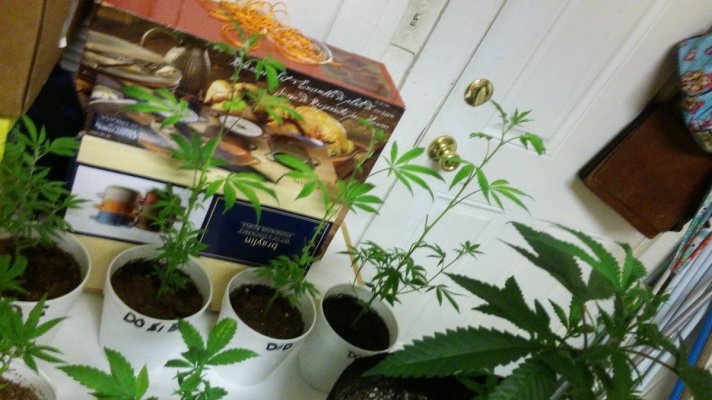
Just cleaned out the big tent with bleach and transplanted all the small ones. Watered with pure h2I and sprayed them with a foliage /splash of alcohol for any mites. Can't wait to see them take off and show their characteristics. Got God's Gift, Do si Do, and super skunk in my tent. Here's before and after.
 

Attachments

  • 20170113_211859_HDR.jpg
    20170113_211859_HDR.jpg
    76.6 KB · Views: 69
  • 20170113_211930_HDR.jpg
    20170113_211930_HDR.jpg
    127.7 KB · Views: 69
  • 20170113_211859_HDR.jpg
    20170113_211859_HDR.jpg
    76.6 KB · Views: 68
  • 20170113_222026_HDR.jpg
    20170113_222026_HDR.jpg
    104 KB · Views: 89
  • 20170113_232446.jpg
    20170113_232446.jpg
    104.5 KB · Views: 70
  • 20170113_232501.jpg
    20170113_232501.jpg
    113.5 KB · Views: 71
  • 20170113_232514.jpg
    20170113_232514.jpg
    136.4 KB · Views: 72
more
Sclerotinia sclerotiorum is a plant pathogenic fungus and can cause a disease called white mold if conditions are correct. S. sclerotiorum can also be known as cottony rot, watery soft rot, stem rot, drop, crown rot and blossom blight. A key characteristic of this pathogen is its ability to produce black resting structures known as sclerotia and white fuzzy growths of mycelium on the plant it infects. These sclerotia give rise to a fruiting body in the spring that produces spores in a sac which is why fungi in this class are called sac fungi (Ascomycetes). This pathogen can occur on many continents and has a wide host range of plants. When S. sclerotiorum is onset in the field by favorable environmental conditions, losses can be great and control measures should be considered
Common hosts of white mold are herbaceous, succulent plants, particularly flowers and vegetables. It can also affect woody ornamentals occasionally, usually on juvenile tissue. White mold can affect their hosts at any stage of growth, including seedlings, mature plants, and harvested products. It can usually be found on tissues with high water content and in close proximity to the soil. One of the first symptoms noticed is an obvious area of white, fluffy mycelial growth. Usually this is preceded by pale to dark brown lesions on the stem at the soil line. The mycelium then cover this necrotic area. Once the xylem is affected, other symptoms occur higher up in the plant. These can include chlorosis, wilting, leaf drop, and death quickly follows. On fruits, the initial dark lesions occur on the tissue that comes in contact with the soil. Next, white fungal mycelium covers the fruit and it decays. This can occur when the fruit is in the field or when in storage.[1]
this is it,white fuzzy shit,growing up sides of fibre pots.then up stems,even leaves on a few.the stem eventually folds ,and the cut flops over.stem rot.but yeah compo,that's the one pal,binned lots yesterday,up potted two rooted cuts,wiped the leaves down first.hope this shit don't get out my prop,I bleach everything down tonight again.might mix weak bleach n water spray.wipe everything down with this.i know it's the cold,and getting full inside my two propagators ,too wet has caused it.everythings been taking forever.the ones that did root,came straight out there.id have binned all of them,but my deep chunk ,sour D cuts ,need those.and dying breath seedling.now that's potted out,big clean up.isle 3....lol.cheers mate.cant believe I was thinking it was good fungi on the sides of the fibre pots..wont make that mistake again.
 
this is it,white fuzzy shit,growing up sides of fibre pots.then up stems,even leaves on a few.the stem eventually folds ,and the cut flops over.stem rot.but yeah compo,that's the one pal,binned lots yesterday,up potted two rooted cuts,wiped the leaves down first.hope this shit don't get out my prop,I bleach everything down tonight again.might mix weak bleach n water spray.wipe everything down with this.i know it's the cold,and getting full inside my two propagators ,too wet has caused it.everythings been taking forever.the ones that did root,came straight out there.id have binned all of them,but my deep chunk ,sour D cuts ,need those.and dying breath seedling.now that's potted out,big clean up.isle 3....lol.cheers mate.cant believe I was thinking it was good fungi on the sides of the fibre pots..wont make that mistake again.
this is what beneficial fungus on the side of a root pouch looks like buddy... it wont be on your plant, or shouldnt be.
 

Attachments

  • 20161222_213737.jpg
    20161222_213737.jpg
    249.3 KB · Views: 67
  • 20161222_213803.jpg
    20161222_213803.jpg
    238.8 KB · Views: 66
hehehe..that Angela merchal,needs throwing to the refugees in that camp at Calais...what a twat she is..
she is one of the cogs right? She is destabilizing salaries via a central banking family led vision, acted out by the puppet US plans in Libya et al to raise tensions in Europe in order to install central banks in all other nations currently resistant to a take over.
Give me a nations debt, and I care not who makes the rules.

Imagine that there was once this group of people, and that they learned that through the spread of culturally tweaked, character bound religious framework, ownership of the money creation and mechanisms for war, that they might then control the entire planet as a tool to benefit the existence of them. And at the core, they consider anyone one not a blood line, to be less important than cattle, whose very existence is to be used for the betterment of the few.
 
Cause wouldn't my chems kill the bio stuff?
may be a sulfur bomb as a fungicide or something, H2O2 bath for the buds, be careful where you dispose of your media too mate, it is technically toxic where ever it goes right. Dont just heap it in your garden buddy.
My advice would always be burn any bio mass and then give your area a really good clean with some Cl- or other disinfectant. I use an ECA (Cl-) I make it tho, of course I do :) Well i dont, but a buddy who works with me does.
ECA is Elecrolysed Chemical Activated Water mate. It works a bit like H2O2 in that it is about as safe as i can get after initial contact.
So I use it to spray down my entire areas, with a pump sprayer mixed at 1:50. this is a disinfectant, but the process of making this product, limits the compounds generated during disinfection, in to a far more manageable state, where no long term residue is left after about 10 minutes of contact, what is left is water, since all other compounds dissipate as low threat gases within this time line.

One of the tricks with ours, we have over come the storage issues mate. Our ECA has a 2 year shelf life. :)
 
this is it,white fuzzy shit,growing up sides of fibre pots.then up stems,even leaves on a few.the stem eventually folds ,and the cut flops over.stem rot.but yeah compo,that's the one pal,binned lots yesterday,up potted two rooted cuts,wiped the leaves down first.hope this shit don't get out my prop,I bleach everything down tonight again.might mix weak bleach n water spray.wipe everything down with this.i know it's the cold,and getting full inside my two propagators ,too wet has caused it.everythings been taking forever.the ones that did root,came straight out there.id have binned all of them,but my deep chunk ,sour D cuts ,need those.and dying breath seedling.now that's potted out,big clean up.isle 3....lol.cheers mate.cant believe I was thinking it was good fungi on the sides of the fibre pots..wont make that mistake again.
dude give me your postal, i will ping you some ECA. I think I have a sample. I am in the UK Tuesday so will post it when i get that side
 
generally, costs for it are about £12.00 for 500ml. just in case you wanted to know. I can tel you, many people use it in humidifiers, where they grow in sealed rooms, adding the ECA to the res kills any airborne spores. They have been running at up to 36c and at 70-80% RH an 1400ppms CO2 with zero mold
 
Page 348 of 758 · Replies 6,941–6,960 of 15,145
Back
Top Bottom