For the gentleman no longer representing Florida:
the Last Botanist of Byrd Station
I write now by the blue shimmer of the polar night, in a place where no sun dares trespass and even the concept of warmth feels obscene. The others are gone—those who followed the phosphorescent spores into the tunnels beneath the Ross Ice Shelf. Only I remain to tell what grows there, and even as I write, I feel the tendrils of its fragrance creeping through the vents, whispering in chlorophyll and madness.
We first found them by accident.
The borehole had broken through a subglacial cavern, vast beyond geometry, a cathedral of translucent ice and breathing shadows. From the roof hung inverted vines—greenish at first glance, but on closer inspection, a tone of iridescent black-green, as if each leaf drank light rather than reflected it. Their roots dangled upward, burrowing into the frozen ceiling. And the buds... oh, the buds shimmered like constellations drowned in deep water.
Dr. Neilsen thought it was a fungus, some extremophile mutation surviving off geothermal gases. He brought a sample back to the lab. Within hours, the temperature in the specimen chamber had dropped ten degrees and the air had taken on a faint, resinous perfume—sweet and narcotic, like the memory of summer through a dying mind.
We named it
Cannabis Invertis, though we no longer speak the name aloud. The plant defies taxonomy. Its structure mirrors terrestrial cannabis, yet reversed—as if grown through the reflection of a mirror submerged in oil. The trichomes move, ever so slightly, curling toward human warmth. And when we subjected a leaf to light analysis, it emitted its own wavelength—a green unknown to physics.
Henderson smoked it first. Of course he did.
He laughed at our warnings, rolled the alien flora into a spiral of gauze, and drew the first breath. The smoke drifted upward, slow as thought, coiling into runes that pulsed with meaning just beyond comprehension. He exhaled, and the laughter died in his throat. His pupils dilated until only black remained, and he whispered that he could
hear the roots singing in the ice.
By morning, he was gone—simply gone. No tracks, no disturbance. Only a long trail of melted frost leading to the borehole and the faint echo of his voice repeating a single word:
“Photosynthesis.”
We found more chambers below—each containing larger, more complex growths. The vines twined around stalactites of ancient ice, dripping condensation that smelled of musk and ozone. Beneath the glow of bioluminescent crystals, we saw shapes moving—things that tended the inverted gardens with care and devotion. Not men, but parodies thereof—elongated, spindled, their fingers tipped with amber-like resin. They hummed to the plants in low vibrations that shook the fillings in our teeth.
The buds responded—pulsating, expanding, releasing faint clouds of glowing pollen. It drifted toward us like a living fog, and in that haze I saw visions of a world turned inside out: forests inverted beneath oceans, stars germinating from black soil, and human civilization dangling from the underbelly of creation like mold from a fruit too long forgotten.
The beings did not attack; they simply
invited. They parted their vines as a priest might open the doors of a temple and gestured for us to inhale. Some of my colleagues obeyed. Some resisted. None of that matters now, for all paths led downward.
The plants feed on time itself here. The more you breathe, the less you belong to the world above. I have seen Henderson’s face reappear in the ice, smiling, his breath a cloud of glowing spores. He tends his garden still, perhaps forever.
As for me, I will seal this tunnel and leave the coordinates unmarked. The strain beneath the ice is too perfect, too patient. It grows not for harvest, but for
worship. And somewhere deep below, in the green-black bloom of the earth’s hidden lungs, it dreams of spring.
When that dream breaks the surface, when the frost melts and the buds open to the light of our sun—then, perhaps, humanity will finally understand that photosynthesis was never meant to be a one-way exchange.


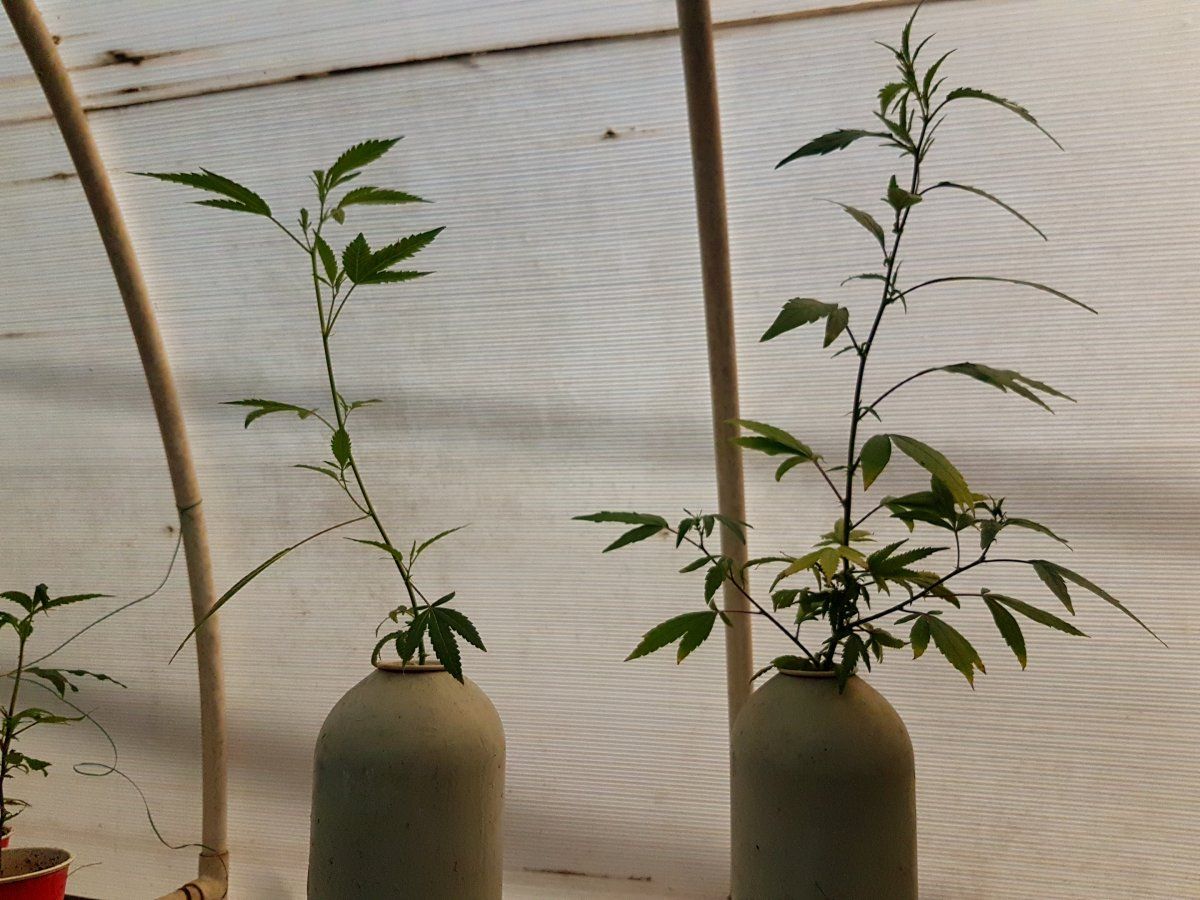
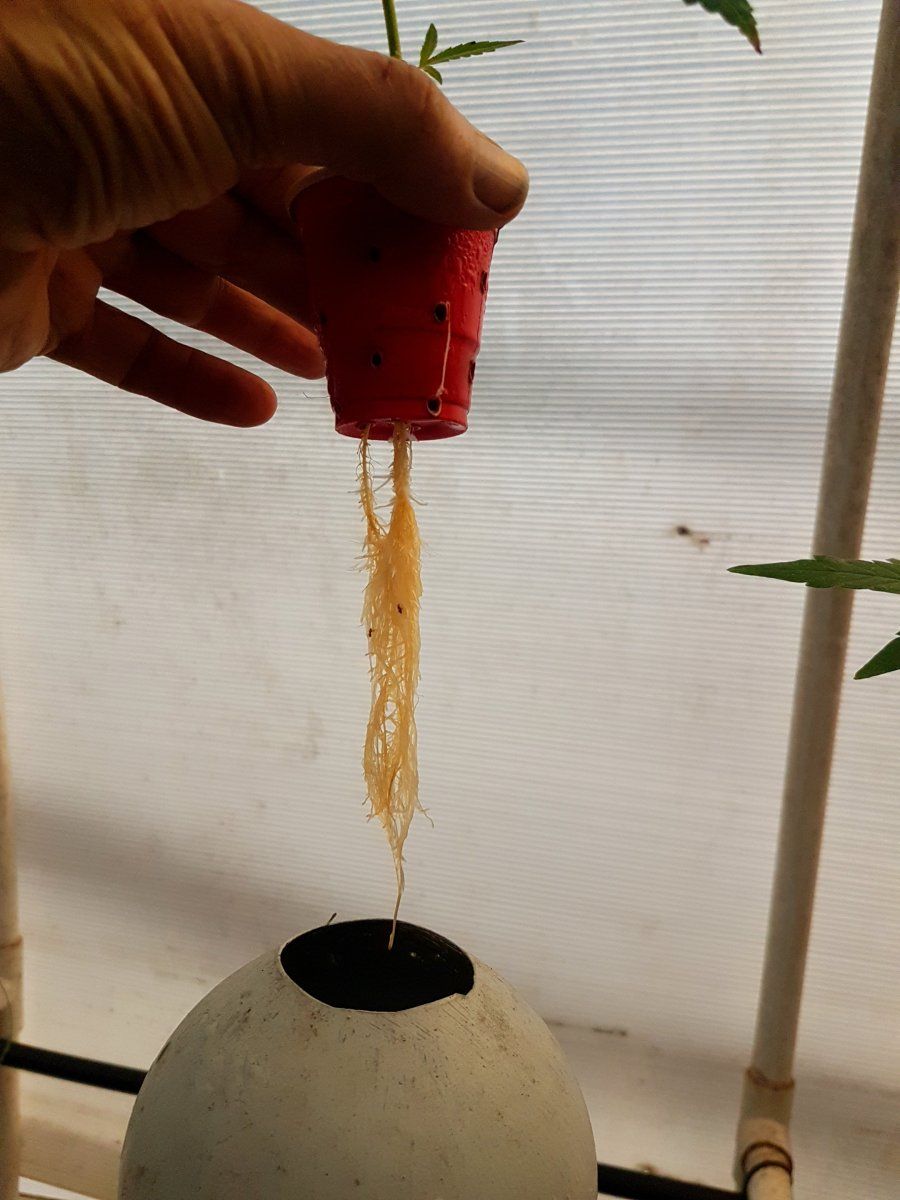
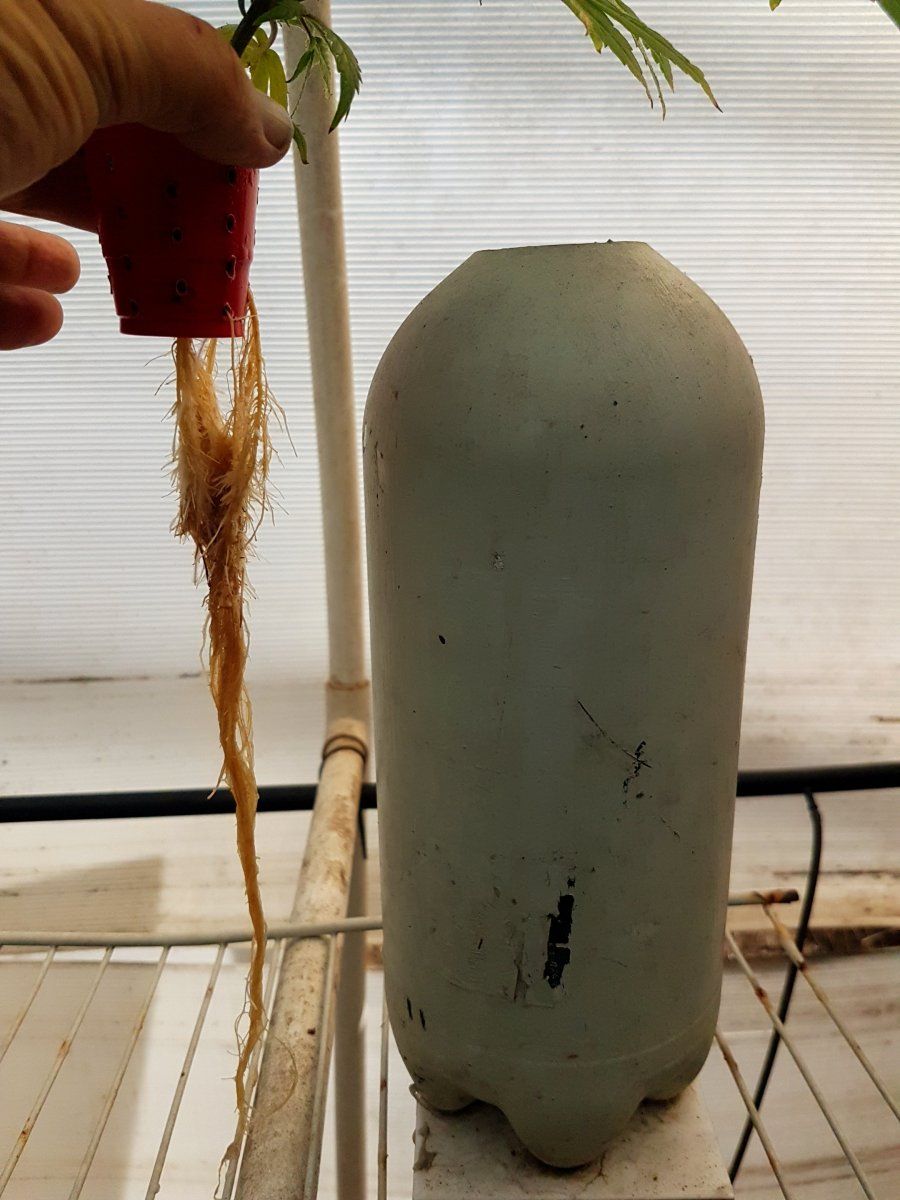
 I've grown plants like this for a month or so but no futher, either planting or composting so this should be interesting.