Log In Register

Is this magnesium deficiency?

  • Thread starter Thread starter Cdub97
  • Start date Start date
  • Tagged users Tagged users None

Is this magnesium deficiency?

Cdub97 77 Replies 30,858 Views
Page 2 of 4 · Replies 21–40 of 78
For calcium I am currently using Demeters Destiny from Nectar For the Gods, and for magnesium I use Sweet from Botanicare.

At a certain point forget the internet go to actual books. A great place to start is Jorge Cervantes' Grow Bible. He lays it all out with good images and diagrams.
Thanx much appreciated !
 
@Smoking Gun pretty much nailed it.

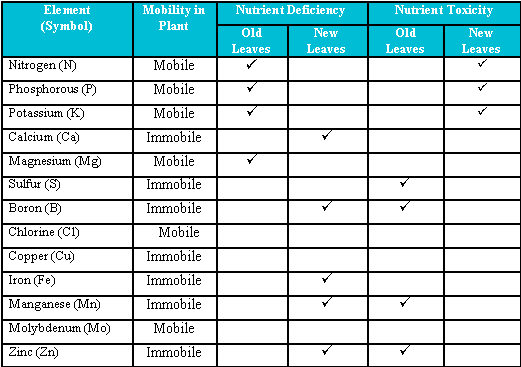
Mobile nutes Like N or Mg will move in the plant. Meaning if new growth is Mg deficient it will pull Mg out of the lower leaves and move it towards the new growth. So if you run into a Mg def. it will show up on older growth first at the bottom of the plant before newer growth at the top of the plant. Most Macro's and Mg are mobile. Micro's and generally Ca (a little mobile) wont move and pop up in the new growth at the top of the plant. If it's micro's most likely its a PH issue or a watering issue. Specially if using complete nutes or amended soil. Micro def is rare but lockout is more common from the above reasons.

there ya go

More good info well said thanx ! I amend my soil grow autos with leds try to water only but I still seem to have trouble with these spots popping up I wonder if the light being too close would cause an increase in mobility?
But defiantly possible my soil is off , I did add a bit of dolimite to this batch
 

Attachments

  • 0847405B-565B-49EE-943B-40F110E14D09.jpeg
    0847405B-565B-49EE-943B-40F110E14D09.jpeg
    168.5 KB · Views: 527
  • 9B10453C-3A8D-4C47-A35F-36E5B053065D.jpeg
    9B10453C-3A8D-4C47-A35F-36E5B053065D.jpeg
    177.5 KB · Views: 531
Sorry posted theses in the wrong thread and got off topic my apologies
 
Im sure this has been said many times before but.....…

Solving nutrient-deficiency problems is much easier when you know which nutrients are mobile or immobile.....and there effects on growth...... Once inside plants, nutrients are transported to where they are needed, typically to growing points...….

Mobile nutrient's, such as Nitrogen, Phosphorous, Potassium, Magnesium, etc...... are nutrient's that plants can move from one part of their self to another.....typically from older growth (lower on the plant) to new growth …...new tips, buds, etc. …..

"Mobile" nutrient deficiencies,.... typically show in the LOWER or OLDER leaves…..When a deficiency occurs, the plant will move "mobile" nutrient's to the growth that needs them...…...Example ….during strong growth,... they need lots of Nitrogen, if they don't get enough,... they will relocate N from lower, older, leaves.... to upper new growth...…...the result is a fade of green or color change in the older lower leaves as the Nitrogen is pulled out ..... the upper or new growth will be a darker green then the lower leaves....

Immobile nutrients, such as Calcium, Iron, Manganese, etc. are absorbed and stay put, they usually, can not be relocated elsewhere in the plant....
"Immobile " nutrient issues, typically show in the NEW or UPPER growth.....Example: ..Calcium,.. is the cell structure of the plant,... all growth requires lots of calcium to build each cell wall, that includes roots as well....... it also helps Nitrogen to be utilized …...so during Calcium deficiency ….new or upper growth can be stalled, slow to grow, twisted, etc...…as it effects the cell structure and the rate of growth

.......when faced with plant issue......look at the plant....are the issues in the lower, older growth...........or the newer upper growth?.........

 
Im sure this has been said many times before but.....…

Solving nutrient-deficiency problems is much easier when you know which nutrients are mobile or immobile.....and there effects on growth...... Once inside plants, nutrients are transported to where they are needed, typically to growing points...….

Mobile nutrient's, such as Nitrogen, Phosphorous, Potassium, Magnesium, etc...... are nutrient's that plants can move from one part of their self to another.....typically from older growth (lower on the plant) to new growth …...new tips, buds, etc. …..

"Mobile" nutrient deficiencies,.... typically show in the LOWER or OLDER leaves…..When a deficiency occurs, the plant will move "mobile" nutrient's to the growth that needs them...…...Example ….during strong growth,... they need lots of Nitrogen, if they don't get enough,... they will relocate N from lower, older, leaves.... to upper new growth...…...the result is a fade of green or color change in the older lower leaves as the Nitrogen is pulled out ..... the upper or new growth will be a darker green then the lower leaves....

Immobile nutrients, such as Calcium, Iron, Manganese, etc. are absorbed and stay put, they usually, can not be relocated elsewhere in the plant....
"Immobile " nutrient issues, typically show in the NEW or UPPER growth.....Example: ..Calcium,.. is the cell structure of the plant,... all growth requires lots of calcium to build each cell wall, that includes roots as well....... it also helps Nitrogen to be utilized …...so during Calcium deficiency ….new or upper growth can be stalled, slow to grow, twisted, etc...…as it effects the cell structure and the rate of growth

.......when faced with plant issue......look at the plant....are the issues in the lower, older growth...........or the newer upper growth?.........
That's all great if the plant is uptaking nutrient properly. When over watered that's not the case. The problem is just that they are not taking nutrients up. Without oxygen some plant processes slow down or even stop.

I'm referring to the OP's issue. Disregard if this info was for @Moshmen
 
That's all great if the plant is uptaking nutrient properly. When over watered that's not the case. The problem is just that they are not taking nutrients up. Without oxygen some plant processes slow down or even stop.
In my case I’m sure I watered to runoff way to early and they stayed way to wet for way to long! They are drying now .
 
I have no idea and I don’t even know how to find out.

Well water typically is a high PPM. Some spots I have been at it's been as high as 1200 ppm. Also usually has a lot of Ca and Fe in it. Specially if dealing with runnoff from AG production. You also need to know, if this is a co-op well, if they are using a softner on it. If that is the case in any of it you need to either setup some serious filtering or use a different water source. Without knowing this first you are chasing demons and just guessing.
 
Well water typically is a high PPM. Some spots I have been at it's been as high as 1200 ppm. Also usually has a lot of Ca and Fe in it. Specially if dealing with runnoff from AG production. You also need to know, if this is a co-op well if they are using a softner on it. If that is the case in any of it you need to either setup some serious filtering or use a different water source. Without knowing this first you are chasing demons and just guessing.
+1 Agreed.
 
I have no idea and I don’t even know how to find out.

If it's a co-op well there will be a water report somewhere. If it's a personal well you can use a PPM pen or get it tested. Also need to say well water will usually fluctuate through out the year vs something like city water source from 1 source. Always keep that in mind.
 
I’m using ph strips that measure between 5.5-8.0. My water is usually around 7.2-7.4. I add about 4 tablespoons of vinegar and allow it to sit in a bucket for 2-5 days before using it. Then I check again before using it. It’s usually 6.2-6.4.
 
I’m using ph strips that measure between 5.5-8.0. My water is usually around 7.2-7.4. I add about 4 tablespoons of vinegar and allow it to sit in a bucket for 2-5 days before using it. Then I check again before using it. It’s usually 6.2-6.4.

That is good but the other side of it is the PPM or total dissolved solids in the water starting with. If they are high you could just be locking out nutrients and way over feeding on somethings from the get go. Cheap meter (TDS/PPM/EC) off amazon best suggestion. also small watering errors will greatly magnify this problem.
 
I’m using ph strips that measure between 5.5-8.0. My water is usually around 7.2-7.4. I add about 4 tablespoons of vinegar and allow it to sit in a bucket for 2-5 days before using it. Then I check again before using it. It’s usually 6.2-6.4.
Soil will buffer the ph. Ppm is going to be key. I don't feel this is a ph issue by the symptoms I'm seeing. It's a root zone issue. To much water, high salinity etc something like that.
 
I would highly suggest not using vinegar or anything to ph really but if your going to then use citric acid.
 
If it's a co-op well there will be a water report somewhere. If it's a personal well you can use a PPM pen or get it tested. Also need to say well water will usually fluctuate through out the year vs something like city water source from 1 source. Always keep that in mind.

Personal well water here. It’s never been tested.

Someone mentioned testing ppm the same as my nutrient mixture. I don’t do that either. I just use the specific measurement of however many teaspoons per gallon.

I do understand it can vary throughout the year. This is my first time using it so I’m just learning what’s up with it.
 
Page 2 of 4 · Replies 21–40 of 78
Back
Top Bottom