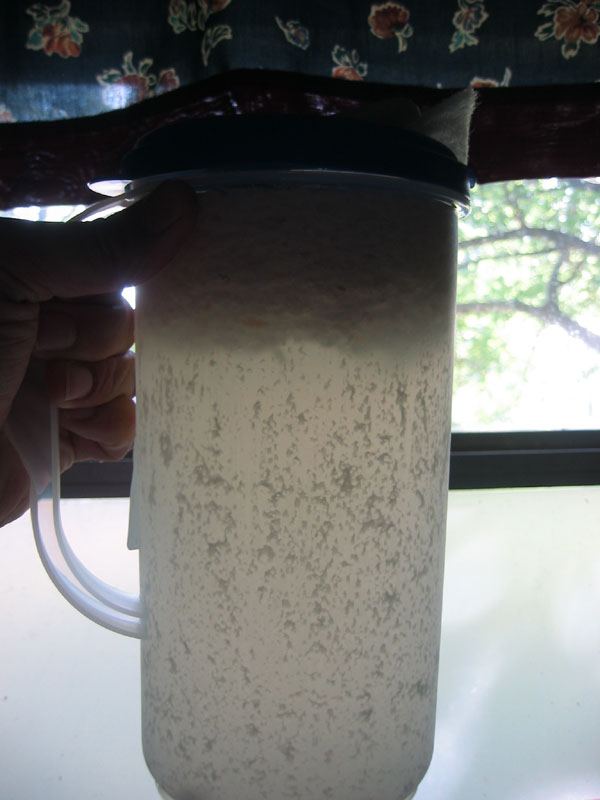
Do they cover plant macro nutrition(NPK etc.) or do they cover secondaries and catalyst actions(cal, mag, sugar, vitamins, humates, enzymes etc)?
To my understanding depending on what plant (or matter ie..fish) we use to extract we will be getting certain amino, enzymes, minerals, vita, etc... Also from what ive been reading what we use to break these down will affect end product. This is what got me interested in the first place also. As I have had good results with my AACTs but always felt something was missing since I had to keep resorting to bottled ferts to make quick fixes. The thing is Organic matter is not always readily available to our plant and has to be broken down by microbes before hand. This takes time and when your having a deficiency right now that does little help...Comes in the FPE. By breaking down organic matter before hand we have something that is more readily available to our plant and does not take the extra time needed because its already broke down.
Heres a npk list a dude named sophisto pasted on another site that ive been thinking about...
Alfalfa Hay: 2.45/05/2.1
Apple Fruit: 0.05/0.02/0.1
Apple Leaves: 1.0/0.15/0.4
Apple Pomace: 0.2/0.02/0.15
Apple skins(ash) : 0/3.0/11/74
Banana Residues (ash): 1.75/0.75/0.5
Barley (grain): 0/0/0.5
Barley (straw): 0/0/1.0
Basalt Rock: 0/0/1.5
Bat Guano: 5.0-8.0/4.0-5.0/1.0
Beans, garden(seed and hull): 0.25/0.08/03
Beet Wastes: 0.4/0.4/0.7-4.1
Blood meal: 15.0/0/0
Bone Black: 1.5/0/0
Bonemeal (raw): 3.3-4.1/21.0/0.2
Bonemeal (steamed): 1.6-2.5/21.0/0.2
Brewery Wastes (wet): 1.0/0.5/0.05
Buckwheat straw: 0/0/2.0
Cantaloupe Rinds (ash): 0/9.77/12.0
Castor pomace: 4.0-6.6/1.0-2.0/1.0-2.0
Cattail reeds and water lily stems: 2.0/0.8/3.4
Cattail Seed: 0.98/0.25/0.1
Cattle Manure (fresh): 0.29/0.25/0.1
Cherry Leaves: 0.6/0/0.7
Chicken Manure (fresh): 1.6/1.0-1.5/0.6-1.0
Clover: 2/0/0/0 (also contains calcium)
Cocoa Shell Dust: 1.0/1.5/1.7 Coffee Grounds: 2.0/0.36/0.67
Corn (grain): 1.65/0.65/0.4
Corn (green forage): 0.4/0.13/0.33
Corn cobs: 0/0/2.0
Corn Silage: 0.42/0/0
Cornstalks: 0.75/0/0.8
Cottonseed hulls (ash): 0/8.7/23.9Cottonseed Meal: 7.0/2.0-3.0/1.8
Cotton Wastes (factory): 1.32/0.45/0.36
Cowpea Hay: 3.0/0/2.3
Cowpeas (green forage): 0.45/0.12/0.45
Cowpeas (seed): 3.1/1.0/1.2
Crabgrass (green): 0.66/0.19/0.71
Crabs (dried, ground): 10.0/0/0 (I personally just crush the shells with my foot)
Crabs (fresh): 5.0/3.6/0.2
Cucumber Skins (ash): 0/11.28/27.2 ( WOW!!!! Who knew???)
Dried Blood: 10.0-14.0/1.0-5.0/0
Duck Manure (fresh): 1.12/1.44/0.6
Eggs: 2.25/0.4/0.15
Eggshells: 1.19/0.38/0.14
Feathers: 15.3/0/0
Felt Wastes: 14.0/0/1.0
Field Beans (seed): 4.0/1.2/1.3
Feild Beans (shells): 1.7/0.3/1.3
Fish (dried, ground): 8.0/7.0/0
Fish Scraps (fresh): 6.5/3.75/0
Gluten Meal: 6.4/0/0
Granite Dust: 0/0/3.0-5.5
Grapefruit Skins (ash): 0/3.6/30.6 (And people throw these things away? Wow!)
Grape Leaves: 0.45/0.1/0.4
Grape Pomace: 1.0/0.07/0.3
Grass (imature): 1.0/0/1.2
Greensand: 0/1.5/7.0
Hair: 14/0/0/0
Hoof and Horn Meal: 12.5/2.0/0
Horse Manure (fresh): 0.44/0.35/0.3
Incinerator Ash: 0.24/5.15/2.33
Jellyfish (dried): 4.6/0/0
Kentucky Bluegrass (green): 0.66/0.19/0.71
Kentucky Bluegrass (hay): 1.2/0.4/2.0
Leather Dust: 11.0/0/0
Lemon Culls: 0.15/0.06/0.26
Lemon Skins (ash): 06.33/1.0
Lobster Refuse: 4.5/3.5/0
Milk: 0.5/0.3/0.18
Millet Hay: 1.2/0/3.2
Molasses Residue
(From alcohol manufacture): 0.7/0/5.32
Molasses Waste
(From Sugar refining): 0/0/3.0-4.0
Mud (fresh water): 1.37/0.26/0.22
Mud (harbour): 0.99/0.77/0.05
Mud (salt): 0.4.0/0
Mussels: 1.0/0.12/0.13
Nutshells: 2.5/0/0
Oak Leaves: 0.8/0.35/0.2
Oats (grain): 2.0/0.8/0.6
Oats (green fodder): 0.49/0/0
Oat straw: 0/0/1.5
Olive Pomace: 1.15/0.78/1.3
Orange Culls: 0.2/0.13/0.21
Orange Skins: 0/3.0/27.0 (Right up there with Grapefruit. Note: both can attract fruit flies so, bury them in the compost)
Oyster Shells: 0.36/0/0
Peach Leaves: 0.9/0.15/0.6
Pea forage: 1.5-2.5/0/1.4
Peanuts (seed/kernals): 3.6/0.7/0.45
Peanut Shells: 3.6/0.15/0.5 (I grind them up in the food processor first)
Pea Pods (ash): 0/3.0/9.0 (I cut them up with a pair of scissors while shelling them)
Pea (vines): 0.25/0/0.7
Pear Leaves: 0.7/0/0.4
Pigeon manure (fresh): 4.19/2.24/1.0
Pigweed (rough): 0.6/0.1/0
Pine Needles: 0.5/0.12/0.03
Potato Skins (ash): 0/5.18/27.5
Potaote Tubers: 0.35/0.15/2.5
Potatoe Vines (dried): 0.6/0.16/1.6
Prune Refuse: 0.18/0.07/0.31
Pumpkins (fresh): 0.16/0.07/0.26
Rabbitbrush (ash): 0/0/13.04
Rabbit Manure: 2.4/1.4/0.6
Ragweed: 0.76/0.26/0
Rapeseed meal: 0/1.0=2.0/1.0=3.0
Raspberry leaves: 1.45/0/0.6
Red clover hay: 2.1/0.6/2.1
Redrop Hay: 1.2/0.35/1.0
Rock and Mussel Deposits
From Ocean: 0.22/0.09/1.78
Roses (flowers): 0.3/0.1/0.4
Rye Straw: 0/0/1.0
Salt March Hay: 1.1/0.25/0.75
Sardine Scrap: 8.0/7.1/0
Seaweed (dried): 1.1-1.5/0.75/4.9 (Seaweed is loaded with micronutrients including: Boron, Iodine, Magnesium and so on.)
Seaweed (fresh): 0.2-0.4/0/0
Sheep and Goat Manure (fresh): 0.55/0.6/0.3
Shoddy and Felt: 8.0/0/0
Shrimp Heads (dried): 7.8/4.2/0
Shrimp Wastes: 2.9/10.0/0
Siftings From Oyster Shell Mounds: 0.36/10.38/0.09
Silk Mill Wastes: 8.0/1.14/1.0
Silkworm Cocoons:10.0/1.82/1.08
Sludge: 2.0/1.9/0.3
Sludge (activated): 5.0/2.5-4.0/0.6
Smokehouse/Firepit Ash:0/0/4.96 (I put the ashes from my smoker in the pile)
Sorghum Straw:0/0/1.0
Soybean Hay: 1.5-3.0/0/1.2-2.3
Starfish: 1.8/0.2/0.25
Sugar Wastes (raw): 2.0/8.0/0
Sweet Potatoes: 0.25/0.1/0.5
Swine Manure (fresh): 0.6/0.45/0.5
Tanbark Ash: 0/0.34/3.8
Tanbark Ash (spent): 0/1.75/2.0
Tankage: 3.0-11.0/2.0-5.0/0
Tea Grounds: 4.15/0.62/0.4
Timothy Hay: 1.2/0.55/1.4
Tobacco Leaves: 4.0/0.5/6.0
Tobacco Stems: 2.5-3.7/0.6-0.9/4.5-7.0
Tomatoe Fruit: 0.2/0.07/0.35 (A note on tomatoe fruit: These should be hot composted. I just let any rotted or insect eaten tomatoes compost in the soil beneath the plants and have "freebees" come back each consecutive year. Hot composting will kill the seeds.)
Tomatoe Leaves: 0.35/0.1/0.4
Tomatoe Stalks: 0.35/0.1/0.5
Tung Oil Pumace: 6.1/0/0
Vetch Hay: 2.8/0/2.3
Waste Silt: 9.5/0/0
Wheat Bran: 2.4/2.9/1.6
Wheat (grain): 2.0/0.85/0.5
Wheat Straw: 0.5/0.15/0.8
White Clover (Green): 0.5/0.2/0.3
Winter Rye Hay: 0/0/1.0
Wood Ash: 0/1.0-2.0/6.0-10.0 (A note on Wood ash: Wood Ash can contain chemicals that could harm plants and also carcinogens so, they should be composted in moderation)
Wool Wastes: 3.5-6.0/2.0-4.0/1.0-3.5
Also if using calcium phosphate what is a good option to make your own magnesium supplement?
I dont know yet but ill get back to u on this because im planing on making and using some soon.
And of course if you have any recipes dextro I wouldn't mind if you posted them hehe.
How to make EM-FPE (Fermented Plant Extract)
For centuries extracts have been used as elixirs for all sorts of ailments. Individuals would seek out certain plant materials that were known for their beneficial properties and ferment them to extract the desired benefits. This same technology can be used to extract properties from plants such as geranium to make a citronella extra for keeping away mosquitoes. Hot peppers and garlic are also known for their pest-deterring properties. If you incorporate companion planting (basil with tomato), you may find a winning combination to give the effect you want.
Weeds and other green material can be recycled into an organic foliar spray and insect repellent. During fermentation EM-1 is able to ferment weeds and extract organic acids, bio-active substances, minerals, and other useful organic compounds from these materials which are able to promote plant growth and repel diseases or insects.
What you will need:
A clean airtight plastic container, bucket or large tank with lid*
EM-1
Sugar Cane Molasses
Water (use good water, preferably activated with EM-X ceramics)
Chopped, fresh weeds & herbs
Gauze or cloth for filtering
A measuring cup and large spoon for stirring
pH paper to check pH
Fermentation aids include a non-metallic heating rod and a airlock.
*Please wash container thoroughly and do not use a glass container to avoid rupturing the container caused by gas production during the fermentation process.
--------------------------------------------------------------------------------
Recipe:
5 % EM-1
5 % Sugar cane molasses
45 % Fresh, chopped plant material like weeds & herbs
45 % Water
--------------------------------------------------------------------------------
Example to make a 20 litre bucket of EM-FPE:
1 l EM-1 (you must use EM-1, don't use EM-A!)
1 l Sugar cane molasses
9 l Water (use good water, preferably activated with EM-X ceramics)
9 l (1-2kg) Fresh, chopped plant material like weeds & herbs**
--------------------------------------------------------------------------------
If you need different amounts of EM-FPE, use our EM-FPE Calculator
--------------------------------------------------------------------------------
Instructions:
Cut fresh weeds and chop up well (2-5 cm pieces)
Put chopped weeds into bucket
Fill the molasses with some hot water (approx. 60-80°C) and the remaining water (total approx. 40°C) into the plastic bucket
Add the EM-1 to the mix
Cover the top of bucket with black plastic bag and press down the lid on it
Put weight on the lid. Take care to push out extra air from the bucket
Store bucket in a warm place (20-35 °C), away from direct Sunlight
Fermentation begins, gas is generated within 2-5 days, depending on temp
Stir the weeds in the bucket regularly to release the gas
The EM-FPE is ready for use when pH of solution is below 3.5 (this should take between 7-10 days). Put EM-FPE into plastic bottles after removing weeds by filtration with gauze or cloth
EM-FPE should be stored in a dark, cool place at uniform temperature, but not in a refrigerator or in bright sunlight
Use EM-FPE within 3 months
--------------------------------------------------------------------------------
Spray on plants at 1:500 to 1:1000
Spray on soil (to suppress disease) at 1:100 to 1:500
** use plants and herbs like: mugwort, artemisia, clover, nettle, camomile, borage, dandelion, vervain, sage, thyme, rose-leafs - you could also add a few garlic cloves and chili pods.