
Week4Bytch
Supporter
Loyal To The Soil
- Posts
- 3,652
- Reactions
- 10,149
- Joined
- Dec 18, 2022
- Points
- 263
Seed slut is me... Larry OG Kush & Boss Hogg

121,290 growers, practical cultivation threads, real grow diaries, and community advice.
Create account → Already a member? Log inFollow along with the video below to see how to install our site as a web app on your home screen.
Note: This feature may not be available in some browsers.


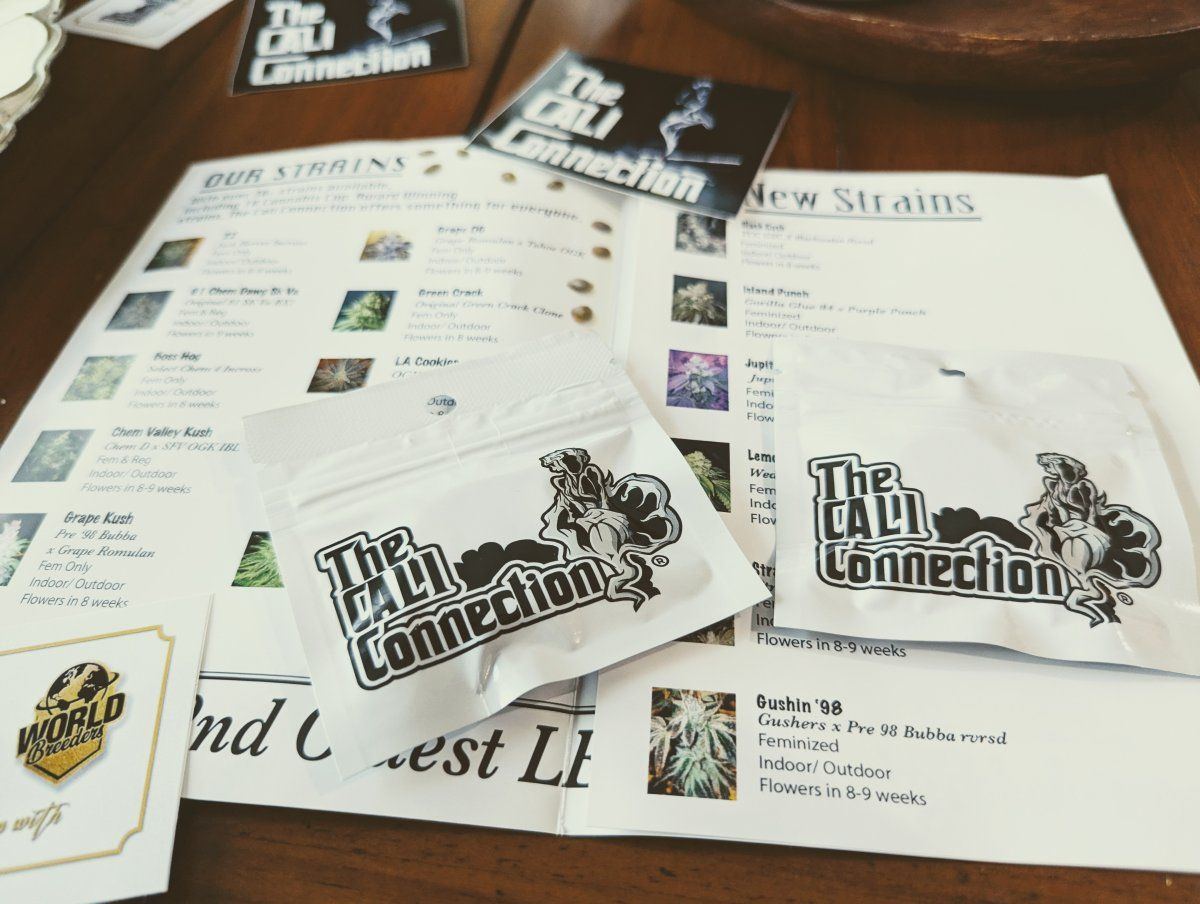
Awesome! I look forward to watching how my genetics stack up to the others you have. Have a great weekend!Last seed horde of the year . (Said no one) Holidays around the corner.. Turkey and what not.
@Trustfall came through.
CandyRain&LemonGojo DeathStar&LemonGojo
View attachment 2323732


@BudRanger1919 I changed it..lol, you saw what was there...
Last minute edit was too slow for ol'BudRanger! I am pretty quick on threads, I spend a lot of time in front of my PC probably too much! Good to hear you are letting her ride, its always a shame to chop one down before they're done.
Thanks, they just started with the leaning tower act today. They are just a week behind the inside grow tent. The indoor grow started leaning last week, or Thursday abouts. Had to get in there and move pots out just to get to the heavy one in the back, took advantage of the half empty tent and shop vac the floor.Hammer looking REALLY good! Lets hope the last 3 pop!

Just bury them a lil deeper when you transplant, they'll be fineWups.. time to up the lighting..
 . They're looking good though!
The last Kush popped yesterday, and as soon as I write off the last two Moonshine.. they'll pop. So maybe give them another week? Heck, I ain't going nowhere.. they can pop when the want I guess.Just bury them a lil deeper when you transplant, they'll be fine


