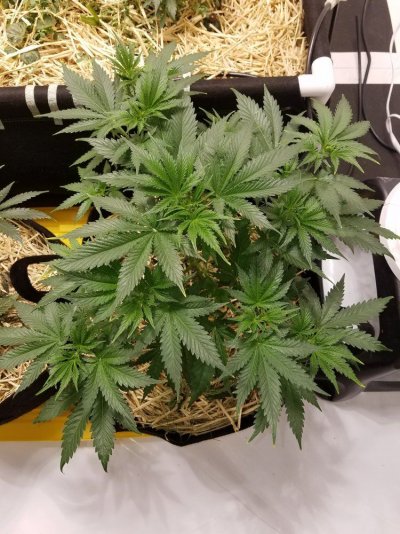
Here's how to make the BIM. Mix the 2 and you have EM1. If you think about it local bacterium is most effective against pests in your area.
------------Materials needed-------------
---rice (brown or white)
---jar with lid( i use 1 quart mason wide mouth jar)
---milk (any kind, but raw works best)
---strainer( i use a metal one from the grocery store really cheap)
---molasses(optional)
--- a 1 gallon container (optional....depending on if you want/need to make a lot )
follow these easy instructions below.
Now let me take the collection method and split it up some.
Here’s a simple method of collecting this type of microorganism. Lactic acid bacteria can be collected from the air.
1.Pour rice wash (solution generated when you wash the rice with water) in a container like plastic pot with lid.
---basically get some rice, get a jar, put rice and clean fresh water no chlorine and such. shake till the water turns foggy, strain into another jar.
2.Allow air gap at least 50-75% of the container. The key here is the air space. Cover the (not vacuum tight, allowing air still to move into the container) container with lid loosely.
---like it says, the AIR is key as the air is full of microbes including lactic acid bacteria. just in low low concentrations but along with tons of other microbes, thats why were making more of them. i used a mason jar and had a gap with the lid.
3.Put the container in a quiet area with no direct sunlight. Allow the rice wash to ferment for at least 5-7 days. Lactic acid bacteria will gather in 5-7 days when temperature is 20-25 degrees C.
--- i put mine in a closet, the temp is more stable in there and doesn't have much variation. wait 7 days, youll see a thin layer of something on top.
4. Rice bran will be separated and float in the liquid, like a thin film, smelling sour. Strain and simply get the liquid.
---like said you will see a thin layer of something( also remember everyone will collect different microbes, as we all live in different places, so your collecting microbes adapted to YOUR area, which makes this work even better.)
5. Put this liquid in a bigger container and pour ten parts milk. The original liquid has been infected with different type of microbes including lacto bacilli. And in order to get the pure lacto bacilli, saturation of milk will eliminate the other microorganisms and the pure lacto bacilli will be left. You may use skim or powdered milk, although fresh milk isbest.
--- now just get something, anything to measure. either it be a spoon, a cup, a tablespoon, 1/4 cup doesnt matter( except the fact this will tell you how much you will have when done) ill use 1/4 cup for example. take one 1/4c of your microbes, now add 10 of them with milk.
6. In 5-7 days, carbohydrate, protein and fat will float leaving yellow liquid (serum), which contain the lactic acid bacteria. You can dispose the coagulated carbohydrate, protein and fat, add them to your compost pile or feed them to your animals.
--- now a week has gone by, by this time the milk will look like cheese at the top of the jar/container. but all goopy. you can either strain it or if you used a wide mouth jar, tip sideways slightly and you can slide a spoon under and take it all out at once. toss it in the compost pile and forget about it. ive never fed it to an animal so i dont know about that. edit: my chickens LOVE this stuff!!!
7. The pure lactic acid bacteria serum can be stored in the refrigerator or simply add equal amount of crude sugar (dilute with 1/3 water) or molasses. Do not use refined sugar as they are chemically bleached and may affect the lactic acid bacteria. The sugar or molasses will keep the lactic acid bacteria alive at room temperature. One to one ratio is suggested although sugar, regardless of quantity is meant simply, serving as food for the bacteria to keep them alive.
-- this is where everyone seems to be getting mixed up. the sugars are just for food. like you, they are organisms that need food. without it they will die and im pretty sure ( but could be wrong) that lacto b. isnt cannibalistic lol. now since your only making enough to use now, you dont really need to store any imo. unless you plan to use more in the next few days to a week add some sugar. now with the fridge and sugars it says "or" which is the key word. it says "the sugars keep them alive at room temperature" but like i said i always use it fresh, its cheap, and easy to make, and doesn't need to be applied every time. so why save some and take chances of using liquid with nothing alive or not nearly as many as the fresh stuff?
8. Now, these lactic acid bacteria serum with sugar or molasses will be your pure culture. To use, you can dilute this pure culture with 20 parts water. Make sure water is not chemically treated with, like chlorine. Remember, we are dealing with live microorganisms and chlorine can kill them. This diluted form 1:20 ratio will be your basic lactic acid bacteria concoction. Two to four tablespoons added to water of one gallon can be used as your basic spray and can be added to water and feeds of animals.
--- now that you have your culture, we go back to the measuring thing. so this is where you decide how much you really need. 1/4 cup + twenty 1/4 cups = 5 1/4cups. then your going to add that at 2-4 tablespoons per GALLON and then apply. so 5 1/4 cups in tablespoons is about 84 tablespoons. you can see where that is going. it adds up to a lot of final liquid to apply. so its easy to make enough for your needs with some basic math.
9. Lactic acid bacteria serum can be applied to plant leaves to fortify phyllosphere microbes, to soil and compost. Of course, it will help improve digestion and nutrient assimilation for animals and other applications mentioned before. For any kind of imbalance, be it in the soil or digestive system, lacto bacilli can be of help.
Try it out and report back!