Little speil on plant amino acids. for example glutamic acid; (Umami flavor) In the body it turns into glutamate. This is a chemical that helps nerve cells in the brain send and receive information from other cells. It may be involved in learning and memory. Glutamic acid is an α-amino acid that is used by almost all living beings in the biosynthesis of proteins. It is also an excitatory neurotransmitter, in fact the most abundant one, in the vertebrate nervous system. It's also very closely related to calcium metabolism in plants as I will describe farther below.
Chelates are molecules whose shells are formed around a metal or mineral. Often the metal or mineral by itself is easily tied up or reacted with other chemicals in the environment. By forming a shell around the mineral, it can be taken up by the plant and not lost to the environment.
There are many chelating agents, both natural and synthetic, but amino acid-formed chelates offer something synthetic chelates do not. Amino acid chelates are completely used by the plants-the shell and the mineral. (exceptionally high efficiency) Because glycine is the smallest amino acid it naturally makes the smallest chelated molecules that pass readily through plant tissues. Once inside the plant, the mineral or metal (e.g. calcium, zinc, manganese, magnesium, etc.) is released, and the leftover amino acids that formed the protective shell are either used by the plant directly as amino acids or further broken down into water soluble nitrogen.
After all, amino acids are primary building blocks in cell machinery. Everything is used, nothing is lost. In fact, in wine making the vintner has to add minerals and nutrients for the yeast to love on. Yeast requires certain forms of nitrogen called YAN, or yeast assimilable nitrogen. Amino acid chelates are considered YAN.
Amino acid chelates also have a drastic effect on calcium uptake by roots, especially chelates utilizing the amino acids glutamic acid and glycine. In soil and in hydroponics, calcium tens to react with phosphates and sulfates, precipitating out of solution as lime scale. Lime scale make calcium unavailable to the plant.
A massive bottle neck for us cannabis famers in flowering.... ie. soluble calcium drives flowering.
Over time lime scale can clog up pumps, drip tapes and irrigations lines-a constant concern of growers. Amino acid chelates are amino acid shells formed around the calcium ions like a claw, preventing the calcium from reacting with other minerals in the water to for lime scale. ie.
working as anti-precipitates
At the same time, glutamic acid and glycine amino acids stimulate root cells to open up calcium ion channels, allowing plants to take up calcium ions thousands to millions of times faster than simple osmosis;
virtually eliminating this bottleneck.
The increased availability of calcium provided by amino acid chelated calcium has secondary benefits. For instance, a plant with a strong vascular system takes up water and nutrients more efficiently, increasing the Brix* or sugar content of the plant.
*Brix is a measurement of the percentage of sugar content in the sap and is a general indicator of the health and vigor of the plant. It is measured with a refractometer, not an EC meter. Organic molecules do not conduct electricity, but the total dissolved solids in water bend, or refract, light. Using a brix refractometer is easy. A few drops of sap are squeezed onto the glass slide of the refractometer, and the instrument is points towards a light source. The higher the dissolved solids in the sap, the more it refracts light and the higher the Brix reading. It has been reported that if the Brix of the sap exceeds 12%, sucking insects won’t even recognize the plant as food. Brix is also used as an objective measurement of the quality of fruit and vegetables.
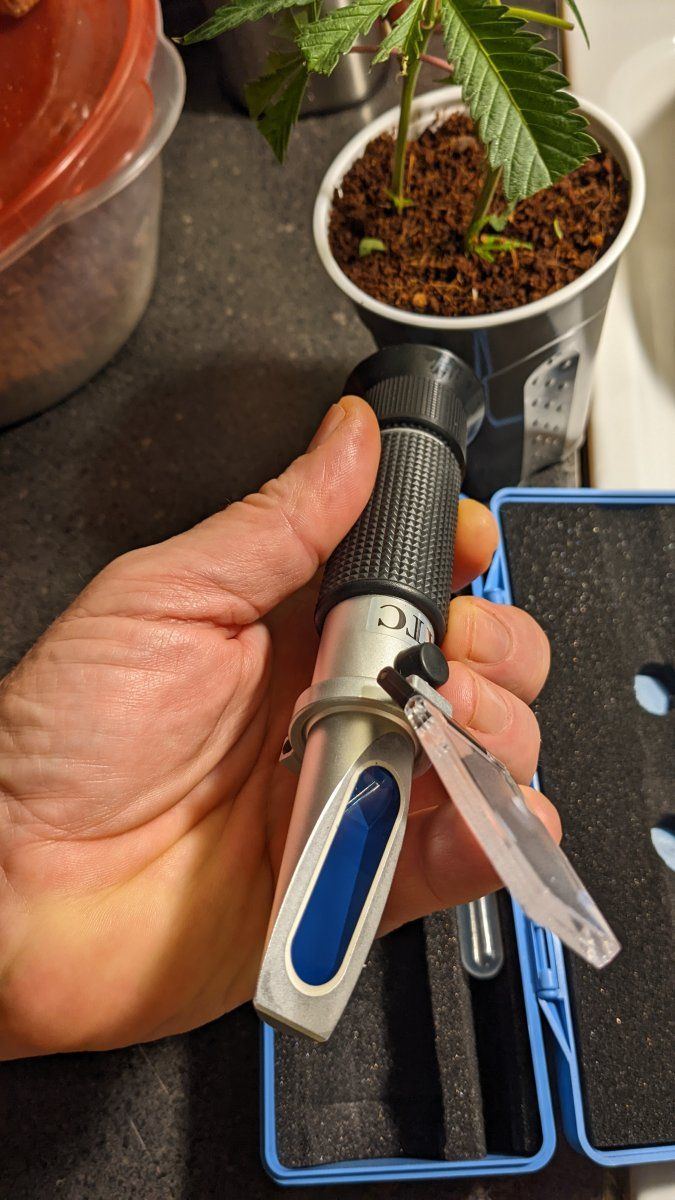
Premium-quality produce has the highest Brix levels. Therefore, plants grown with amino acid chelated supplements are generally richer in sugars and other nutritional elements, allowing them to be sold at premium prices. A high Brix content is especially important for wine grapes. The higher the Brix reading in wine grapes, the higher the potential alcohol content of the wine, and the sweeter the fruits and berries.
Amino acids also play a role in protecting plants against insects and disease. Weak plants have extra water between the cell walls, providing easy access to sucking insects and fungal pathogens. Strong plants with extra pectin between the cell walls are hardened against attacks, forming a physical barrier against invaders.
Calcium is also a secondary messenger. When plants are under attack from insects and other pathogens, calcium release starts a chain reaction that produces secondary metabolites to repel the attackers. Therefor, supplementing plants with amino acid-chelated calcium can help strengthen the plants’ natural immune system, potentially reducing the need for pesticides and fungicides.
The most interesting amino acid is tryptophan. This amino acid as an important function in both plants and humans. Tryptophan is a precursor molecule to the plant growth hormone indole acetic acid (IAA).
Here is list where amino acids are grouped according to the characteristics of the side chains:
- Aliphatic - alanine,glycine, isoleucine, leucine, proline, valine
- Aromatic - phenylalanine, tryptophan, tyrosine
- Acidic - aspartic acid, glutamic acid
- Basic - arginine, histidine, lysine Hydroxylic - serine, threonine
- Sulphur-containing - cysteine, methionine
- Amidic (containing amide group) - asparagine, glutamine
| Alanine | Essential | |
| Glycine | Essential | |
| Isoleucine | Non-Essential | |
| Leucine | Non-Essential | |
| Proline | Essential | |
| Valine | Non-Essential | |
| Aromatic | Phenylalanine | Non-Essential |
| Tryptophan | Non-Essential | |
| Tyrosine | Essential | |
| Acidic | Aspartic Acid | Essential |
| Glutamic Acid | Essential |
| Basic | Arginine | Essential |
| Histidine | Non-Essential |
| Lysine | Non-Essential |
| Hydroxylic | Serine | Essential |
| Threonine | Non-Essential |
| Sulfur Containing | Cysteine | Essential |
| Methionine | Non-Essential |
| Amidec | Asparagine | Essential |
| Glutamine | Essential |


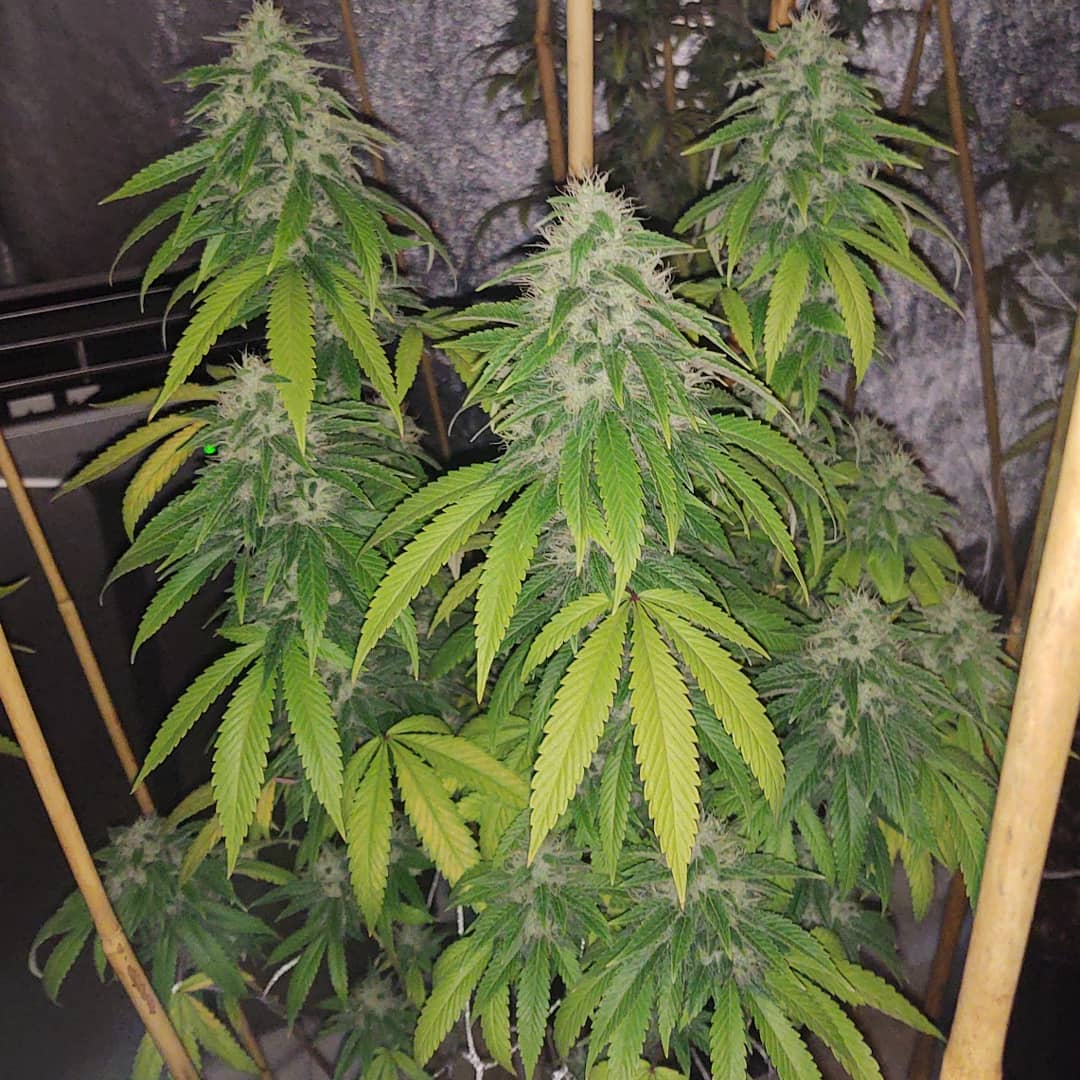
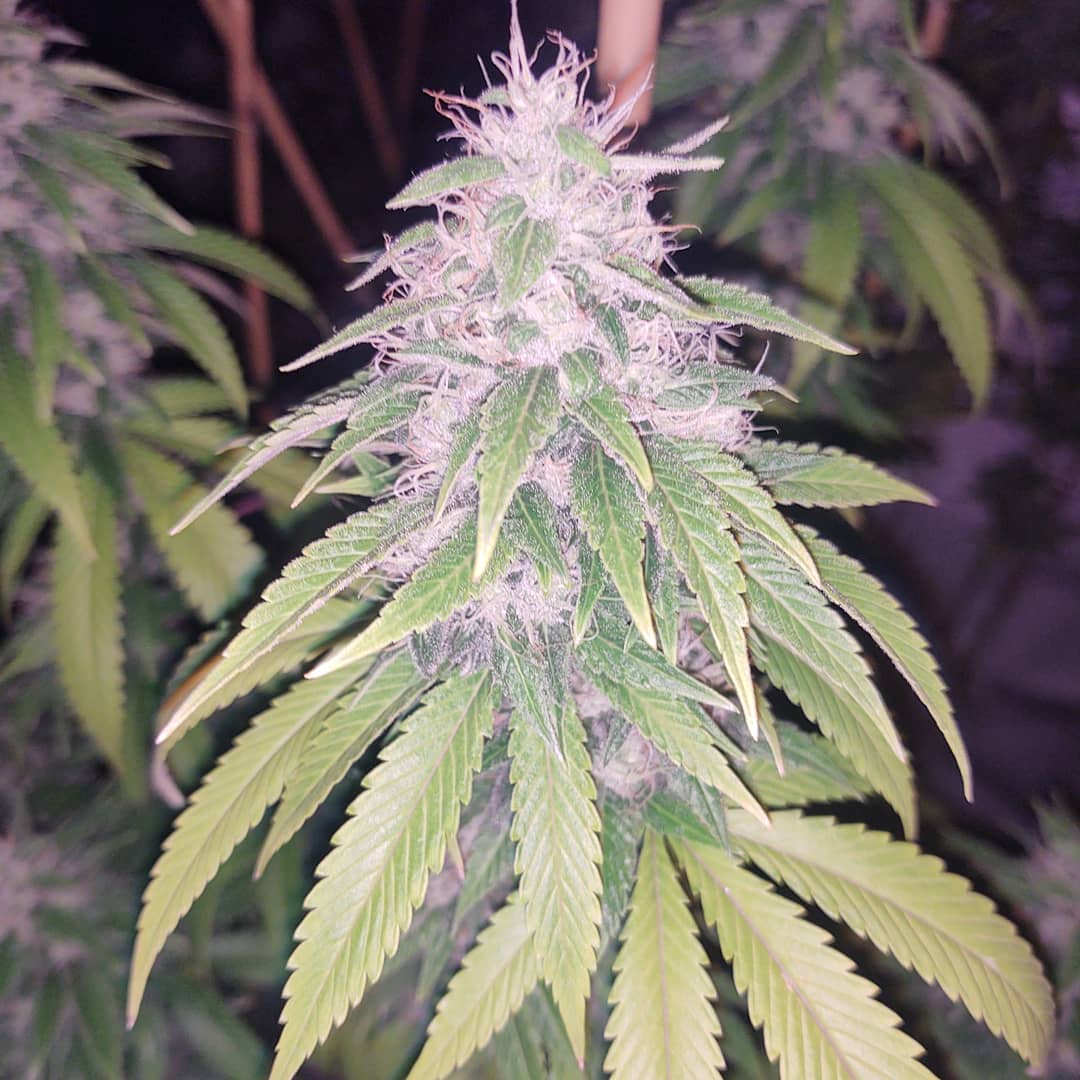
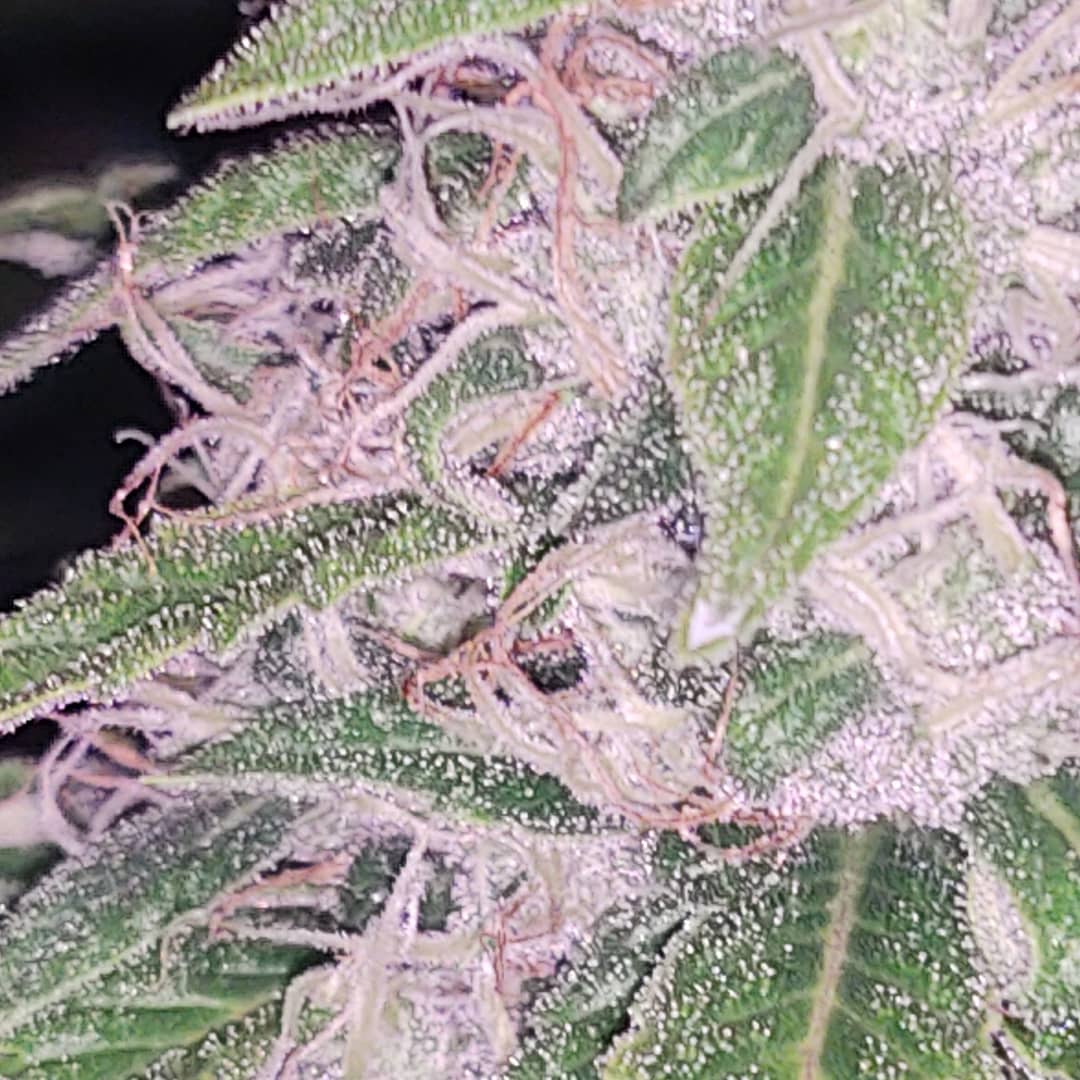
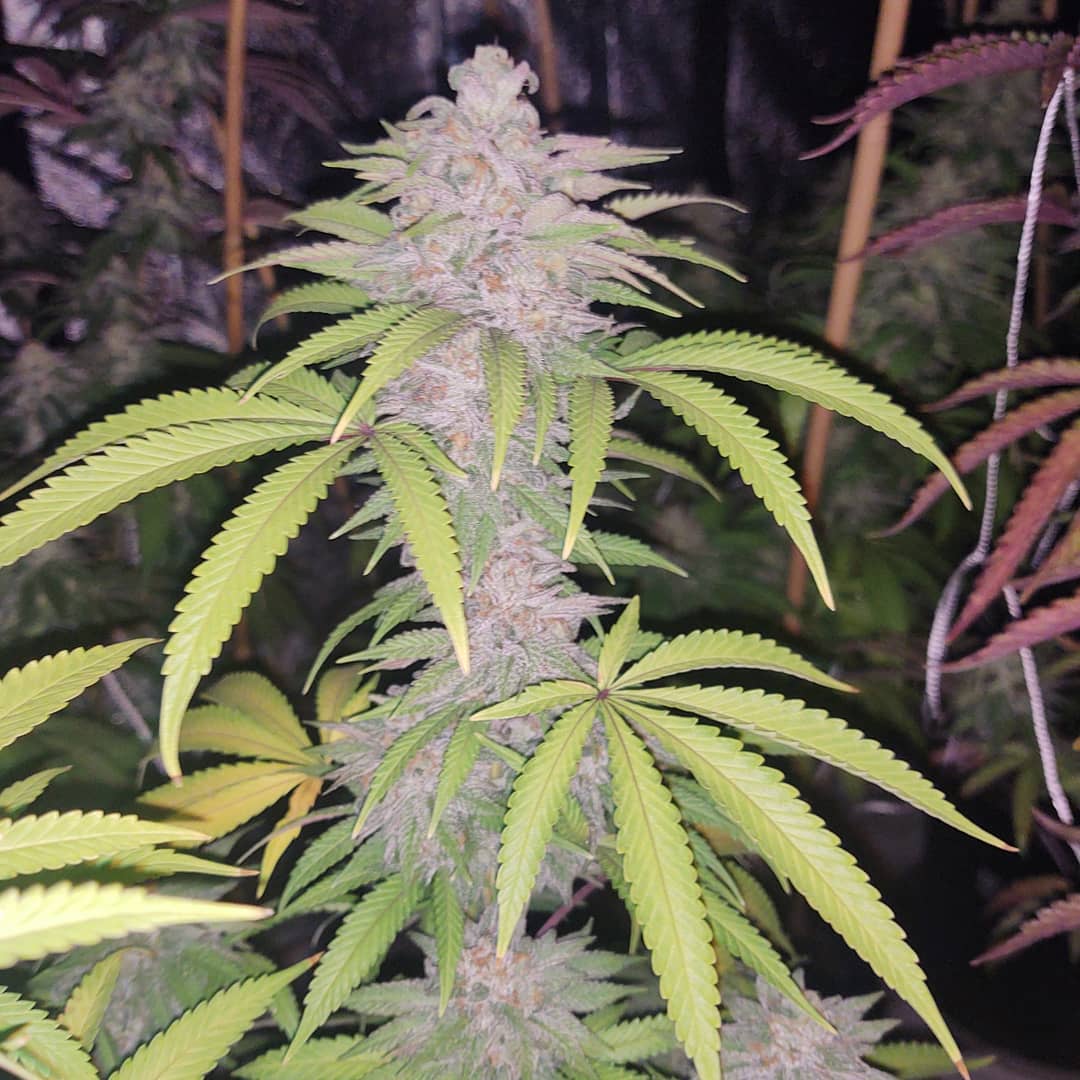
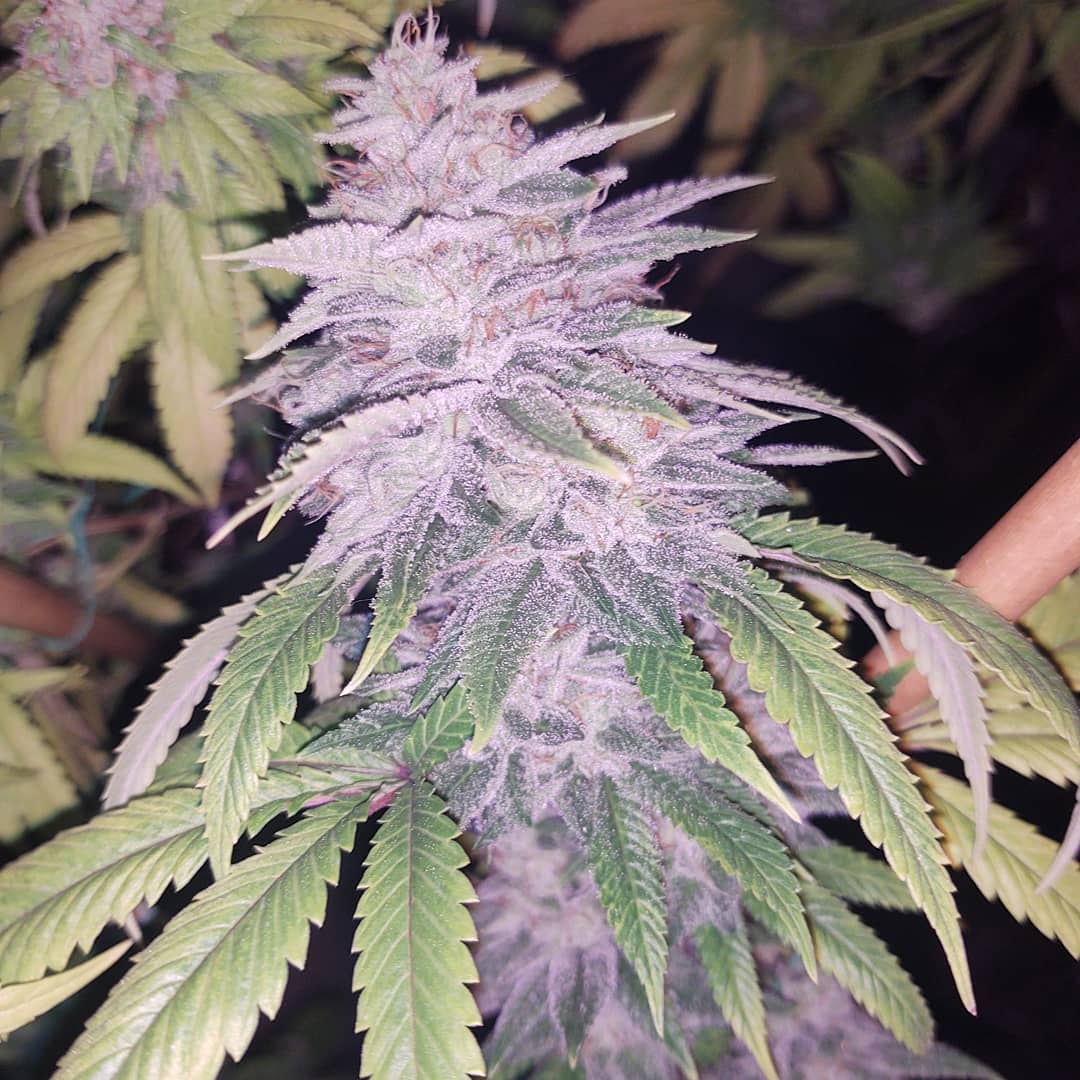
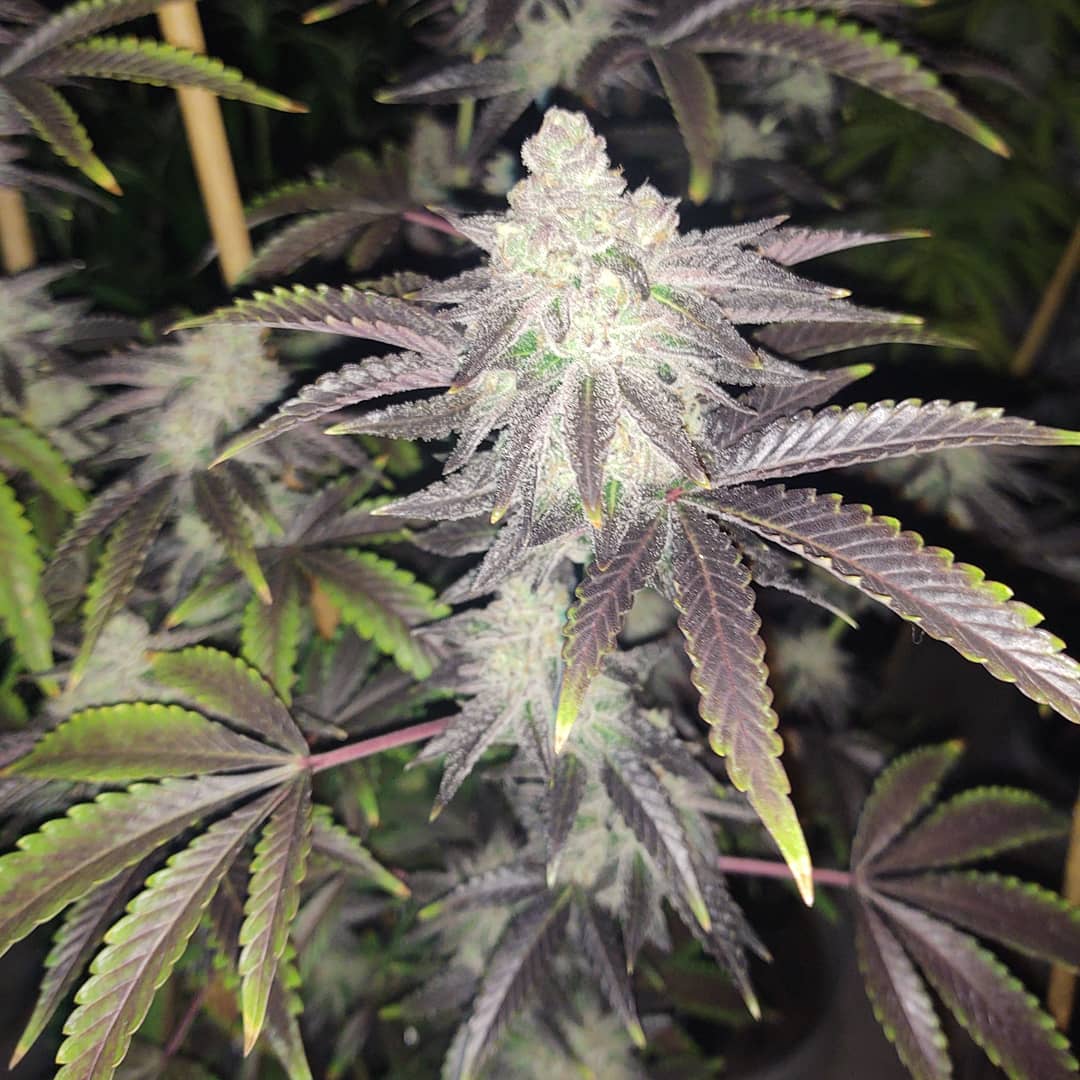
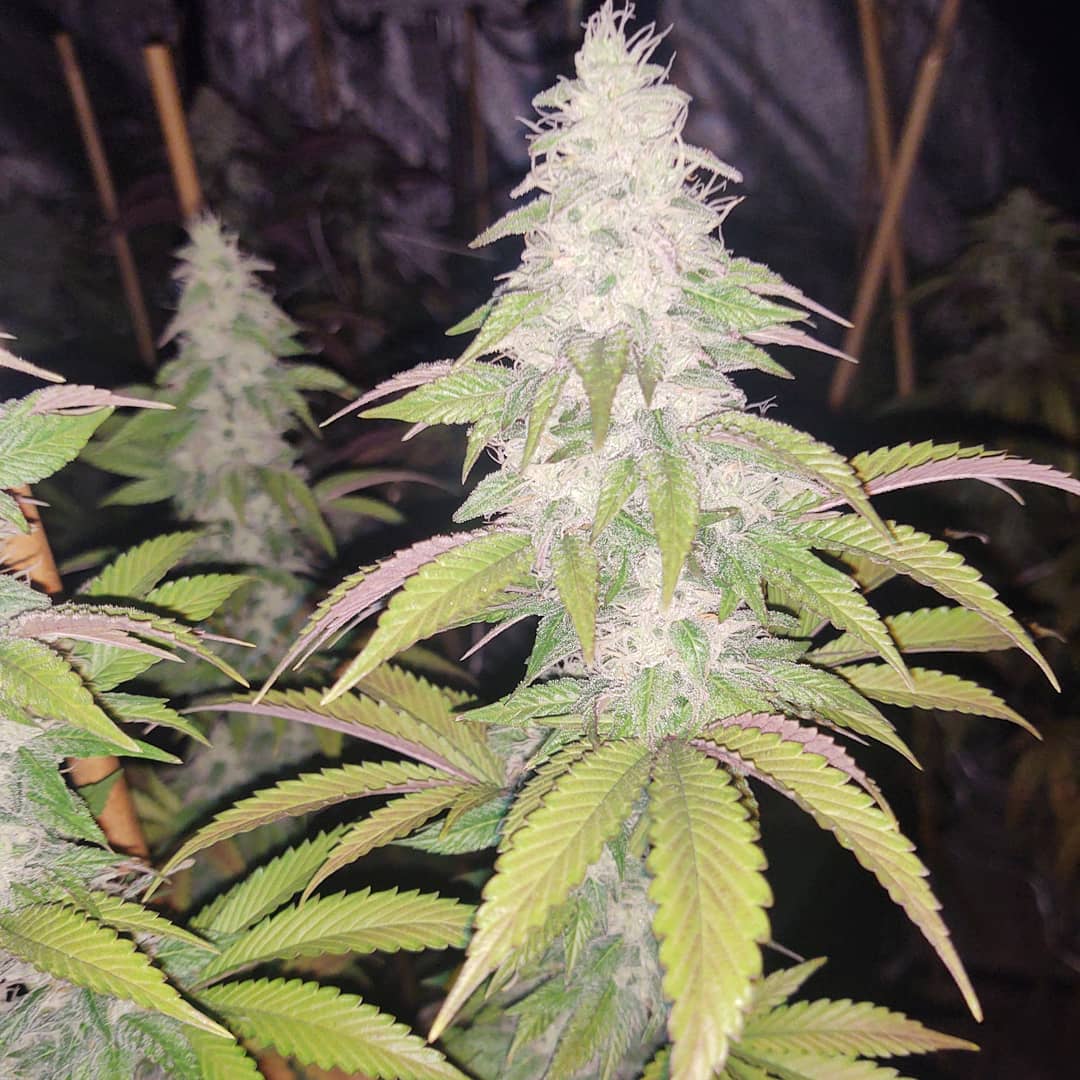
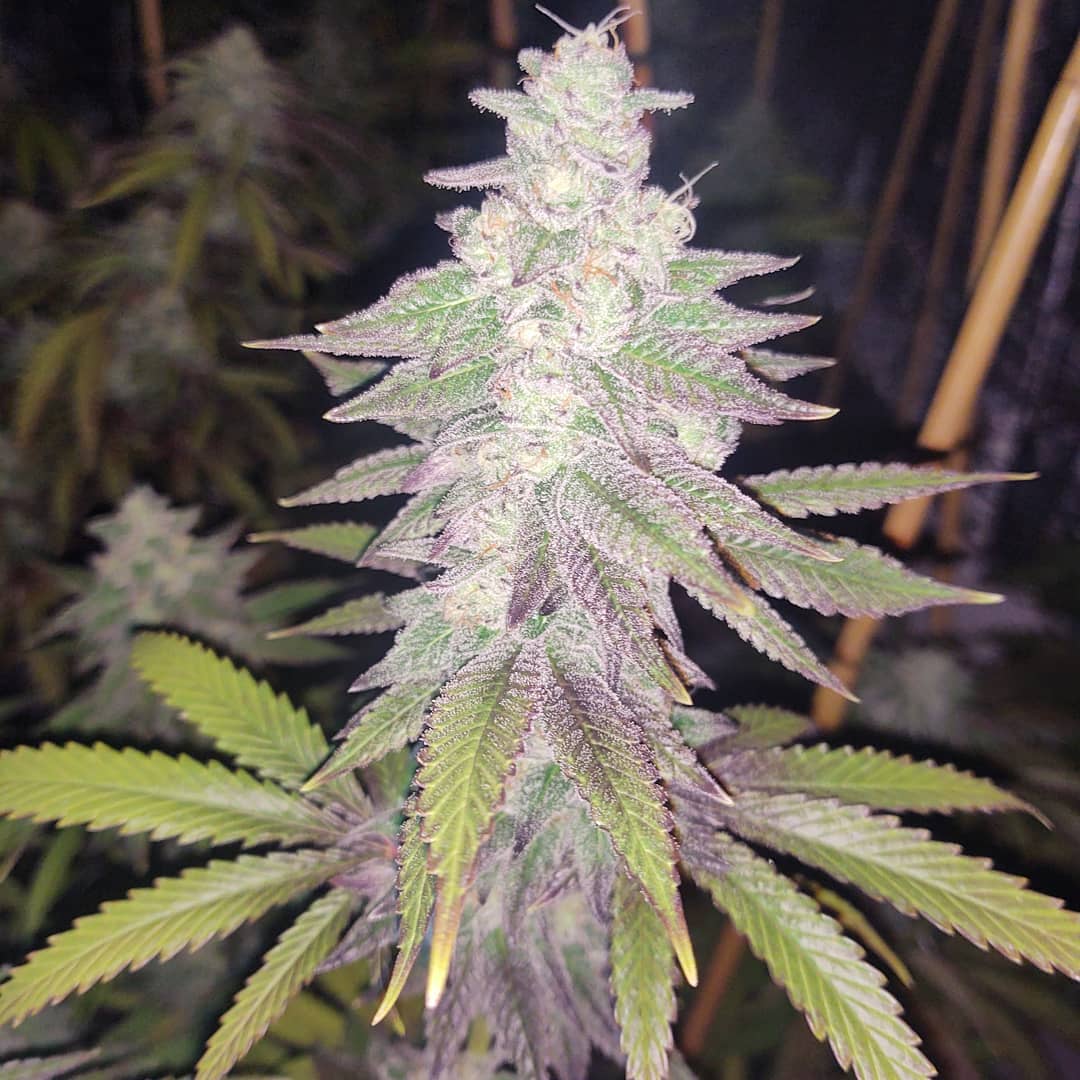


 I've not figured her out quite yet. I think the
  might have mauled it a little also; when I turned my back.
 "....
".... I mean the "Mac Murray" on the bottom left; (Thanks @


 They young ones look fine. Oh my head, feels like everything is going in slow motion.


