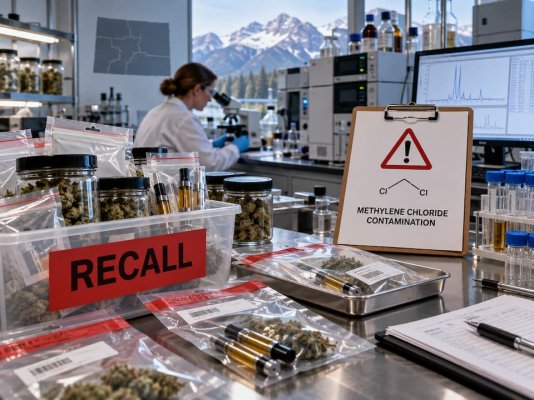
A Colorado cannabis manufacturer has recalled 49 products after a third-party laboratory detected methylene chloride, a toxic industrial solvent prohibited in the state's regulated marijuana industry.
StayCon, a Pueblo County manufacturer that operates as Craft, notified dispensaries that the affected products should be removed from sale, according to reporting by The Denver Gazette and ProPublica's Local Reporting Network.
Some of the products had reportedly been available at dispensaries for more than a year.
The recall includes marijuana vape products sold under names including Maui Wowie and Grape Gorilla.
The chemical is used in a variety of industrial processes, but exposure has been associated with serious health risks.
The U.S. Environmental Protection Agency finalized restrictions in 2024 prohibiting most consumer, commercial and industrial uses of methylene chloride after determining that exposure can cause neurological and liver effects as well as increased cancer risks.
Methylene chloride is also prohibited in Colorado marijuana manufacturing.
Its appearance in a regulated cannabis product therefore raises questions not only about contamination but about how the material entered the production chain.
According to the recall notice described by The Denver Gazette and ProPublica, StayCon said the contamination came from a botanically derived flavoring ingredient used in its vape products.
That explanation has been disputed by at least one competing cannabis company, which has alleged that the contamination could instead indicate the use of chemically converted hemp material.
That allegation has not been established as the cause of the recalled products, and StayCon did not respond to questions from the news organizations about the competing claim.
Hemp naturally contains large quantities of CBD but relatively small amounts of THC.
Chemical processes can convert CBD into intoxicating cannabinoids, creating inexpensive THC-rich material.
Colorado prohibits marijuana manufacturers from using chemically converted hemp to produce products sold through the state's licensed marijuana system.
Regulators and testing laboratories have raised concerns that poorly controlled conversion processes can leave unwanted solvents, reaction byproducts or other contaminants behind.
Earlier investigations by The Denver Gazette and ProPublica found evidence that hemp-derived material had entered Colorado's regulated marijuana supply despite state restrictions.
That makes the latest recall particularly significant.
It is not simply a question of whether one batch failed a laboratory test. The incident highlights a larger challenge facing regulated cannabis markets: determining exactly where cannabinoids originated and which chemicals were used before the finished material reached a licensed manufacturer.
Expanded testing procedures were originally expected to begin in July and would have increased screening for methylene chloride and other potentially hazardous solvents.
Implementation was delayed.
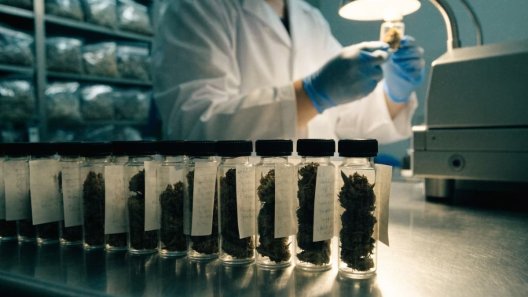
The laboratory that eventually detected the methylene chloride reportedly informed both the company and state regulators roughly six weeks before StayCon issued its voluntary recall.
As of the September 24 report, Colorado's Marijuana Enforcement Division had not issued its own public consumer alert regarding the StayCon products.
A division spokesperson told the reporters that the agency does not comment on investigations.
The situation follows broader criticism of the speed with which Colorado regulators notify consumers about potentially dangerous marijuana products.
A Denver Gazette and ProPublica investigation examining 23 cases where investigators could establish a complaint or investigation date found that state warnings were issued more than seven months later on average. The publications noted that this represented only a portion of the state's cases because complete investigation records were unavailable.
Because of that history, its testing and enforcement system has often been treated as a model for newer cannabis programs.
The current controversy demonstrates that mature markets can still struggle with rapidly changing extraction technologies, cannabinoid conversion and increasingly complicated supply chains.
Traditional potency testing alone cannot necessarily determine how a product was manufactured.
That puts greater importance on expanded contaminant testing, ingredient documentation and supply-chain verification.
For licensed manufacturers, the case also shows the potential consequences of relying on ingredients or cannabinoid inputs without fully understanding how those materials were produced.
For regulators, it raises a different question: how quickly should potentially contaminated products be removed from shelves once a credible laboratory result appears?
And for the wider cannabis market, the recall reinforces an issue that has become increasingly important as marijuana and hemp supply chains overlap.
A product being sold through a licensed dispensary does not eliminate the need for robust testing.
As cannabis products become more processed and chemically complex, regulators and laboratories are increasingly being asked to detect contaminants that were rarely part of traditional cannabis testing programs.
Colorado's latest recall suggests that those testing standards may need to evolve just as quickly as the products themselves.
StayCon, a Pueblo County manufacturer that operates as Craft, notified dispensaries that the affected products should be removed from sale, according to reporting by The Denver Gazette and ProPublica's Local Reporting Network.
Some of the products had reportedly been available at dispensaries for more than a year.
The recall includes marijuana vape products sold under names including Maui Wowie and Grape Gorilla.
What Was Found?
Testing identified methylene chloride, also known as dichloromethane.The chemical is used in a variety of industrial processes, but exposure has been associated with serious health risks.
The U.S. Environmental Protection Agency finalized restrictions in 2024 prohibiting most consumer, commercial and industrial uses of methylene chloride after determining that exposure can cause neurological and liver effects as well as increased cancer risks.
Methylene chloride is also prohibited in Colorado marijuana manufacturing.
Its appearance in a regulated cannabis product therefore raises questions not only about contamination but about how the material entered the production chain.
According to the recall notice described by The Denver Gazette and ProPublica, StayCon said the contamination came from a botanically derived flavoring ingredient used in its vape products.
That explanation has been disputed by at least one competing cannabis company, which has alleged that the contamination could instead indicate the use of chemically converted hemp material.
That allegation has not been established as the cause of the recalled products, and StayCon did not respond to questions from the news organizations about the competing claim.
Why Methylene Chloride Has Become an Issue in Cannabis
Methylene chloride has previously surfaced during investigations into chemically converted cannabinoids.Hemp naturally contains large quantities of CBD but relatively small amounts of THC.
Chemical processes can convert CBD into intoxicating cannabinoids, creating inexpensive THC-rich material.
Colorado prohibits marijuana manufacturers from using chemically converted hemp to produce products sold through the state's licensed marijuana system.
Regulators and testing laboratories have raised concerns that poorly controlled conversion processes can leave unwanted solvents, reaction byproducts or other contaminants behind.
Earlier investigations by The Denver Gazette and ProPublica found evidence that hemp-derived material had entered Colorado's regulated marijuana supply despite state restrictions.
That makes the latest recall particularly significant.
It is not simply a question of whether one batch failed a laboratory test. The incident highlights a larger challenge facing regulated cannabis markets: determining exactly where cannabinoids originated and which chemicals were used before the finished material reached a licensed manufacturer.
Testing Rules Have Been Delayed
The recall also arrives while Colorado regulators are working through changes to the state's cannabis testing system.Expanded testing procedures were originally expected to begin in July and would have increased screening for methylene chloride and other potentially hazardous solvents.
Implementation was delayed.
The laboratory that eventually detected the methylene chloride reportedly informed both the company and state regulators roughly six weeks before StayCon issued its voluntary recall.
As of the September 24 report, Colorado's Marijuana Enforcement Division had not issued its own public consumer alert regarding the StayCon products.
A division spokesperson told the reporters that the agency does not comment on investigations.
The situation follows broader criticism of the speed with which Colorado regulators notify consumers about potentially dangerous marijuana products.
A Denver Gazette and ProPublica investigation examining 23 cases where investigators could establish a complaint or investigation date found that state warnings were issued more than seven months later on average. The publications noted that this represented only a portion of the state's cases because complete investigation records were unavailable.
What the Recall Means for the Cannabis Industry
Colorado was one of the first states in the country to create a regulated recreational marijuana market.Because of that history, its testing and enforcement system has often been treated as a model for newer cannabis programs.
The current controversy demonstrates that mature markets can still struggle with rapidly changing extraction technologies, cannabinoid conversion and increasingly complicated supply chains.
Traditional potency testing alone cannot necessarily determine how a product was manufactured.
That puts greater importance on expanded contaminant testing, ingredient documentation and supply-chain verification.
For licensed manufacturers, the case also shows the potential consequences of relying on ingredients or cannabinoid inputs without fully understanding how those materials were produced.
For regulators, it raises a different question: how quickly should potentially contaminated products be removed from shelves once a credible laboratory result appears?
And for the wider cannabis market, the recall reinforces an issue that has become increasingly important as marijuana and hemp supply chains overlap.
A product being sold through a licensed dispensary does not eliminate the need for robust testing.
As cannabis products become more processed and chemically complex, regulators and laboratories are increasingly being asked to detect contaminants that were rarely part of traditional cannabis testing programs.
Colorado's latest recall suggests that those testing standards may need to evolve just as quickly as the products themselves.